
Did you know that incorporating greenery into your home or office can boost productivity and well-being? Transforming your space with a lush, green wall is easier than you think. With the right vertical garden ideas, you can maximize your space and bring nature indoors.
Discover inspiring ways to create a stunning green wall that not only purifies the air but also adds a touch of elegance to any room. From modern apartments to traditional offices, our guide will provide you with the inspiration and expertise to turn your space into a vibrant oasis.
Explore the possibilities of indoor gardening and unlock the benefits of a greener, healthier environment.
What is a Vertical Garden?
A vertical garden is an innovative gardening method that allows you to grow plants upwards, saving space and adding style. This form of gardening is particularly beneficial for urban environments where space is limited.
Benefits of Vertical Gardening
Vertical gardening offers numerous benefits, including improved air quality, enhanced aesthetic appeal, and a unique way to grow plants in limited spaces. Research has shown that air-purifying green walls in office spaces have improved workers’ skin quality and boosted immune systems.
- Space Efficiency: Vertical gardens make the most of available space, ideal for small balconies, indoor areas, or urban settings.
- Aesthetic Appeal: They add a touch of greenery and beauty, enhancing the visual appeal of any area.
- Air Quality Improvement: By incorporating more plants, vertical gardens help purify the air, contributing to a healthier environment.
Key Components of Vertical Gardens
Creating a successful vertical garden involves several key components. Understanding these elements is crucial for a thriving and sustainable garden.
- Support Structure: The frame or wall that holds the plants and growing medium.
- Growing Medium: The soil or substrate that supports plant growth.
- Irrigation System: A system that delivers water to the plants, which can be manual or automated.
- Plant Selection: Choosing the right plants that are suitable for vertical gardening and the local climate.
By carefully considering these components, you can create a beautiful and thriving vertical garden that brings numerous benefits to your space.
How to Choose the Right Location
Finding the ideal location for your vertical garden is the first step towards a thriving green space. When considering where to place your vertical garden, two critical factors come into play: sunlight and accessibility.
Sunlight Considerations
Most plants require adequate sunlight to photosynthesize and grow. For a small space vertical garden, it’s essential to choose a location that receives sufficient sunlight. Consider the orientation of your space: south-facing walls receive the most sunlight, making them ideal for plants that require full sun.
| Plant Type | Sunlight Requirement |
|---|---|
| Herbs and Vegetables | 6-8 hours of direct sunlight |
| Flowering Plants | 4-6 hours of direct sunlight |
| Ferns and Shade Plants | 2-4 hours of indirect sunlight |
Accessibility for Maintenance
Ensuring your vertical garden is accessible for regular maintenance is crucial. You need to be able to water, prune, and fertilize your plants easily. Consider the height and location of your garden to avoid straining or using ladders frequently.
Tips for Accessibility:
- Place your garden near a water source to simplify watering.
- Ensure there’s enough space in front of the garden for easy access.
- Consider using a trellis or a modular system that can be easily reached.
By carefully selecting the right location with adequate sunlight and accessibility, you can enjoy a lush and thriving small space vertical garden.
Best Plants for Vertical Gardens
The right selection of plants is key to creating a thriving and visually appealing vertical garden. When choosing plants, it’s essential to consider factors such as lighting, maintenance requirements, and the desired outcome—whether it’s to grow herbs for cooking, add color with flowering plants, or simply purify the air.
Herbs and Edible Plants
Herbs and edible plants are popular choices for vertical gardens due to their utility and ease of care. Some excellent options include:
- Basil – a fragrant herb perfect for cooking
- Mint – hardy and versatile, but be sure to contain it to prevent spreading
- Cherry Tomatoes – produce fruit quickly and are relatively low maintenance
- Lettuce and other Leafy Greens – easy to grow and can be harvested continuously
These plants not only provide fresh produce but also add a lush, green texture to your vertical garden.
Flowering Plants for Aesthetic Appeal
Flowering plants can add vibrant colors and a dynamic visual element to your vertical garden. Consider incorporating:
- Jasmine – for its fragrant flowers and climbing habit
- Morning Glory – easy to grow and produces beautiful, trumpet-shaped flowers
- Clematis – offers large, showy flowers in a variety of colors
- Petunias – spreading habit and abundant flowers make them ideal for hanging or trellis gardens
These flowering plants can transform your vertical garden into a stunning display of color and texture.
When selecting plants, it’s also helpful to consider their growth habits and how they will interact with each other in the vertical garden setup. A well-planned mix can lead to a more resilient and visually interesting garden.
| Plant Type | Lighting Needs | Maintenance Level |
|---|---|---|
| Basil | Full Sun | Low |
| Mint | Partial Shade | Medium |
| Jasmine | Full Sun to Partial Shade | Medium |
| Clematis | Full Sun to Partial Shade | High |
DIY Vertical Garden Ideas
Transform your walls into lush gardens with these innovative DIY vertical garden ideas. Creating a vertical garden can be a fun and rewarding project, allowing you to maximize space while adding a touch of greenery to your home or office.
Pallet Planters
One of the most popular and eco-friendly ways to create a DIY vertical garden is by using pallet planters. Old pallets can be repurposed into beautiful planters that can hold a variety of plants.
- Disassemble the pallet into individual planks.
- Attach the planks to a wooden frame or directly to a wall, spacing them evenly.
- Fill the spaces with soil and plant your chosen greenery.
Hanging Bottles and Containers
For a more whimsical approach, consider using hanging bottles and containers. This method not only adds a decorative element but also makes efficient use of space.
- Collect glass bottles or containers of various sizes.
- Attach a rope or twine to the neck of each bottle.
- Hang the bottles from a sturdy frame or directly from the ceiling.
- Fill the bottles with soil and your preferred plants.
Trellis Gardens
Trellis gardens offer a structured way to grow climbing plants, adding a vertical element to your garden. You can purchase or DIY a trellis using materials like wood or metal.
- Position the trellis against a wall or in a corner.
- Plant climbing plants like ivy or clematis at the base.
- Train the plants to grow up the trellis.
By implementing these DIY vertical garden ideas, you can create a unique and functional green space that enhances your living or working environment.
Vertical Garden Kits: An Overview
Creating a vertical garden can be made easier with the right kit, providing everything needed in one package. These kits are designed to simplify the process, making it accessible to both beginners and experienced gardeners.
Popular Brands to Consider
Several brands offer high-quality vertical garden kits. DripWorks is notable for its easy-to-install irrigation kits suitable for both indoor and outdoor gardens. When selecting a brand, consider the materials used, the ease of assembly, and the type of plants the kit is designed to support.
Features to Look For
When choosing a vertical garden kit, there are several key features to consider:
- The material and durability of the kit
- The ease of installation and maintenance
- The type of plants the kit is designed for
- The irrigation system included
Considering these factors will help ensure that the kit meets your specific needs and provides the best chance of success for your vertical garden.
Cost-Effectiveness
Vertical garden kits can vary significantly in price, depending on the size, complexity, and brand. While it might be tempting to opt for the cheapest option, it’s essential to consider the cost-effectiveness of the kit. A more expensive kit that is durable and requires less maintenance might be more cost-effective in the long run.
By understanding what to look for in a vertical garden kit and considering factors such as brand reputation, features, and cost, you can make an informed decision that suits your gardening needs.
Using Vertical Space Indoors
Transforming your indoor space with a vertical garden can be a game-changer for your home’s aesthetic and air quality. By utilizing the often-wasted vertical space, you can create a lush, green environment that not only looks stunning but also purifies the air.
Creating Indoor Green Walls
Creating an indoor green wall is a fantastic way to bring nature indoors. You can achieve this by using wall-mounted planters, which are readily available at stores like Target, Home Depot, Amazon, or Etsy. These planters usually contain smaller pockets for individual plants, allowing you to grow a variety of flora.
Benefits of Indoor Green Walls:
- Improved air quality
- Aesthetic appeal
- Potential for growing herbs or edible plants
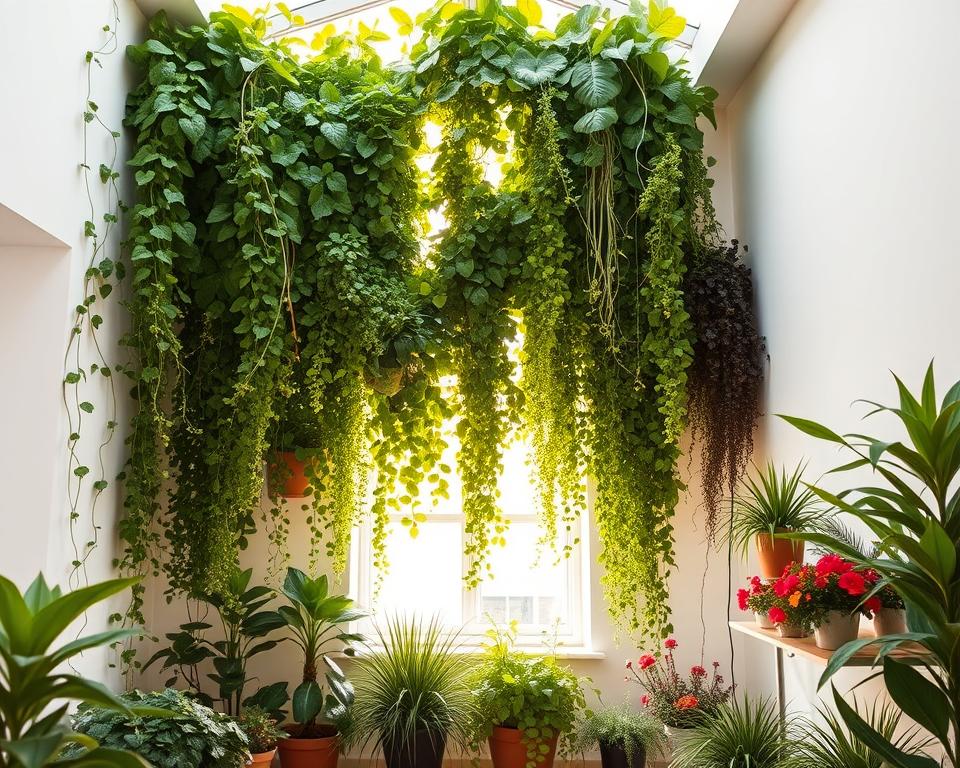
Utilizing Shelves and Racks
Another effective way to use vertical space indoors is by utilizing shelves and racks. This method allows for flexibility and can be adapted to fit various spaces and decor styles. You can place potted plants on the shelves or use hanging racks for a more dramatic effect.
Tips for Utilizing Shelves and Racks:
- Choose plants that thrive in indoor conditions.
- Ensure proper lighting for the plants.
- Regularly maintain and rotate plants for even growth.
By incorporating an indoor vertical garden into your home, you can enjoy the numerous benefits of having more greenery indoors, from improved air quality to enhanced aesthetic appeal.
Vertical Gardens for Small Spaces
Vertical gardens offer a practical solution for adding greenery to compact areas. They are particularly beneficial for small balconies, patios, or urban environments where space is limited.
One of the key advantages of vertical gardens is their ability to add shade and privacy, bring life, color, and volume to a space, and soften or highlight architectural features. This makes them an ideal choice for enhancing the aesthetic appeal of small areas.
Maximizing Balcony Space
To maximize balcony space, consider using wall-mounted planters or trellis systems. These can be used to grow a variety of plants, from herbs and edible flowers to climbing vines and shrubs.
- Use a sturdy wall-mounted planter to grow herbs like basil and mint.
- Install a trellis system for climbing plants like clematis or wisteria.
- Opt for compact or dwarf varieties of plants to save space.
Ideas for Urban Environments
In urban environments, vertical gardens can be used to create green walls or living screens that not only beautify the space but also help to purify the air.
Some ideas for urban environments include:
- Creating a living wall using a modular planting system.
- Using recycled materials like old pallets or containers to create a unique vertical garden.
- Incorporating lighting to highlight the garden’s features at night.
By implementing these ideas, you can transform even the smallest of spaces into a lush and inviting oasis. Whether you’re looking to enhance your balcony, patio, or indoor space, vertical gardens offer a versatile and practical solution.
Maintenance Tips for Vertical Gardens
To keep your vertical garden thriving, it’s essential to understand the basics of maintenance. A well-maintained vertical garden not only enhances the aesthetic appeal of your space but also ensures the health and longevity of your plants.
Watering Techniques
Proper watering is crucial for the success of your vertical garden. Overwatering can lead to root rot, while underwatering can cause stress to the plants. It’s recommended to water your vertical garden in the morning to allow the plants to absorb the water throughout the day.
One effective method is to use a drip irrigation system, which delivers water directly to the roots of the plants, reducing evaporation and runoff. For smaller vertical gardens, a simple watering can with a long spout can be sufficient.
Fertilization Tips
Fertilization is vital to provide your plants with the necessary nutrients for growth. Use a balanced fertilizer that contains equal parts of nitrogen, phosphorus, and potassium. The frequency of fertilization depends on the type of plants and the growing conditions.
For most vertical gardens, fertilizing once a month is sufficient. However, for edible plants or those that are heavy feeders, more frequent fertilization may be necessary.
| Type of Plant | Fertilization Frequency |
|---|---|
| Ornamental Plants | Once a Month |
| Edible Plants | Every 2-3 Weeks |
| Flowering Plants | Once a Month |
Pest Management Solutions
Pests can be a significant problem for vertical gardens, especially when indoors. Regularly inspect your plants for signs of pests such as aphids, spider mites, or mealybugs. Use organic pest control methods whenever possible to minimize harm to beneficial insects.
- Inspect plants regularly
- Use neem oil or insecticidal soap for pest control
- Isolate infected plants to prevent spread
By following these maintenance tips, you can enjoy a thriving and beautiful vertical garden that enhances your living or working space.
Seasonal Considerations for Vertical Gardens
Understanding seasonal considerations is crucial for maintaining a healthy vertical garden. As the seasons change, your garden’s needs will vary, requiring adjustments in care and maintenance.
Planting Schedule
Creating a planting schedule is essential to ensure your vertical garden thrives throughout the year. Different plants have optimal planting times based on the season. For instance, spring is ideal for planting a variety of flowers and herbs, while summer is better suited for warm-season crops like tomatoes and cucumbers.
| Season | Recommended Plants | Care Tips |
|---|---|---|
| Spring | Herbs (basil, mint), Flowers (petunias, snapdragons) | Ensure adequate sunlight and water as temperatures rise. |
| Summer | Tomatoes, Cucumbers, Peppers | Provide sturdy supports for large plants and maintain regular watering. |
| Fall | Leafy Greens (lettuce, kale), Herbs (cilantro, parsley) | Prepare for cooler temperatures and potential frost. |
Preparing for Weather Changes
Weather changes can significantly impact your vertical garden. In preparation for extreme weather conditions, it’s crucial to take protective measures. For example, during intense heatwaves, ensure your plants receive adequate water and consider providing shade for sensitive plants.
Healthy tomatoes and cucumber plants can become very large and heavy, requiring sturdy supports to prevent damage to the plants and the garden structure.
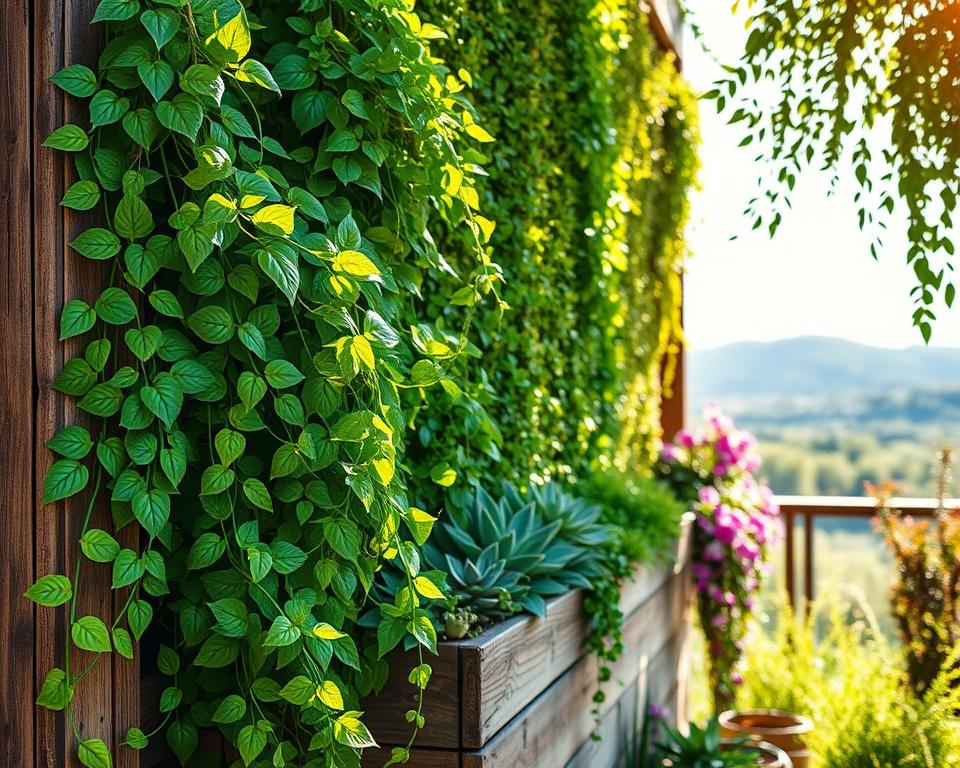
By understanding and adapting to seasonal considerations, you can maintain a thriving vertical garden that provides beauty and bounty throughout the year.
Vertical Gardens in Commercial Spaces
The integration of vertical gardens in commercial areas not only beautifies the environment but also contributes to a healthier workspace. As businesses look for innovative ways to enhance their offices, vertical garden walls have emerged as a popular solution.
Benefits for Businesses
Vertical gardens offer numerous benefits for businesses, including improved air quality and enhanced aesthetic appeal. Research has shown that air-purifying green walls in office spaces have improved workers’ skin quality and boosted immune systems.
Key Benefits:
- Enhanced employee well-being
- Improved air quality
- Aesthetic appeal
- Potential increase in productivity
Successful Examples
Several businesses have successfully integrated vertical gardens into their commercial spaces. For instance, the Amazon Spheres in Seattle is a notable example, featuring a vast indoor garden with over 40,000 plants.
Here’s a comparison of different vertical garden systems used in commercial spaces:
| System | Cost | Maintenance Level | Aesthetic Appeal |
|---|---|---|---|
| Modular Panel System | High | Low | High |
| Green Wall Frames | Medium | Medium | Medium |
| Pocket Planters | Low | High | High |
Visual representations can help in understanding the impact of vertical gardens:
Inspiration: Stunning Vertical Garden Projects
From DIY projects to professional installations, there are countless ways to create a stunning vertical garden. Creative vertical gardening has evolved, offering numerous vertical garden ideas that can transform any space.
Homeowners have successfully turned their outdoor and indoor areas into lush green walls, enhancing the aesthetic appeal and air quality. For instance, using pallet planters or hanging bottles and containers can add a touch of greenery to small spaces.
Transforming Homes
Many have taken to creative vertical gardening to beautify their living spaces. By incorporating trellis gardens or utilizing shelves and racks, individuals can create unique indoor green walls.
Public Installations
Public spaces have also benefited from vertical garden ideas, with many cities incorporating large-scale installations. These not only beautify urban environments but also contribute to a healthier ecosystem.
Whether you’re looking to maximize balcony space or create an indoor oasis, the possibilities with vertical gardening are endless. Explore different vertical garden ideas and get inspired to transform your space into a green haven.
