
A well-planned backyard homestead maximizes food production in limited space
Benefits of a Backyard Homestead Plan
Food Security
Growing your own food provides reliable access to fresh produce regardless of supply chain disruptions or price fluctuations.
Cost Savings
A well-planned 10×10 foot garden can produce $700 worth of food annually, significantly reducing grocery bills.
Health Benefits
Homegrown produce contains more nutrients and fewer chemicals than store-bought alternatives, supporting better health.
Beyond these practical benefits, a backyard homestead connects you with natural cycles and provides a rewarding hobby that reduces stress while building valuable self-reliance skills.
Layout Planning for Your Backyard Homestead
The foundation of a successful backyard homestead plan is thoughtful layout design. Even the smallest spaces can become productive when organized efficiently.
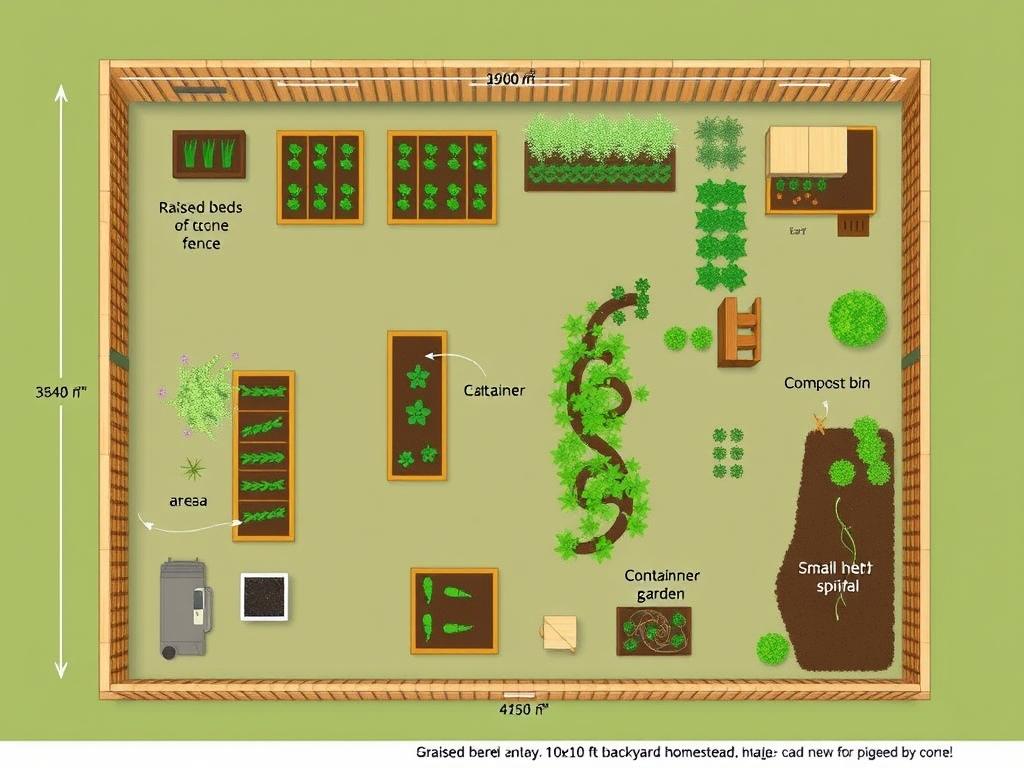
Sample 10×10 ft backyard homestead layout with multiple growing zones
Space-Maximizing Techniques
Vertical Gardening
Grow upward using trellises, wall-mounted planters, and hanging baskets to multiply your growing space. Ideal crops for vertical growing include cucumbers, beans, peas, tomatoes, and vining squash.
Raised Beds
Raised beds allow for better soil control, improved drainage, and higher yields in less space. Keep beds narrow (3-4 feet wide) to reach plants from either side without stepping on soil.
Container Gardening
Containers work on patios, balconies, and even windowsills. Almost any vegetable can grow in containers with proper sizing—5-gallon buckets work well for tomatoes and peppers.
Square-Foot Gardening
Divide growing areas into 1×1 foot squares, planting each square based on plant size. This method can yield up to four times more than traditional row planting.
Sunlight and Zoning Considerations
Map your yard’s sun patterns before finalizing your layout. Most vegetables need 6-8 hours of direct sunlight daily. Group plants with similar water and sun requirements together to simplify maintenance.
- Place water-hungry plants near your water source
- Position taller plants on the north side to avoid shading shorter plants
- Keep frequently harvested herbs and vegetables closest to your kitchen
- Designate a composting area in a convenient but somewhat hidden location
Ready to Start Planning?
Download our free Backyard Homestead Planner to design your perfect layout, track plantings, and maximize your harvest.
Planting Guide for Small-Space Homesteads
The key to a productive backyard homestead is selecting high-yield crops that thrive in limited space. Focus on vegetables that produce continuously or provide substantial harvests relative to the space they occupy.
High-Yield Crops for Limited Space
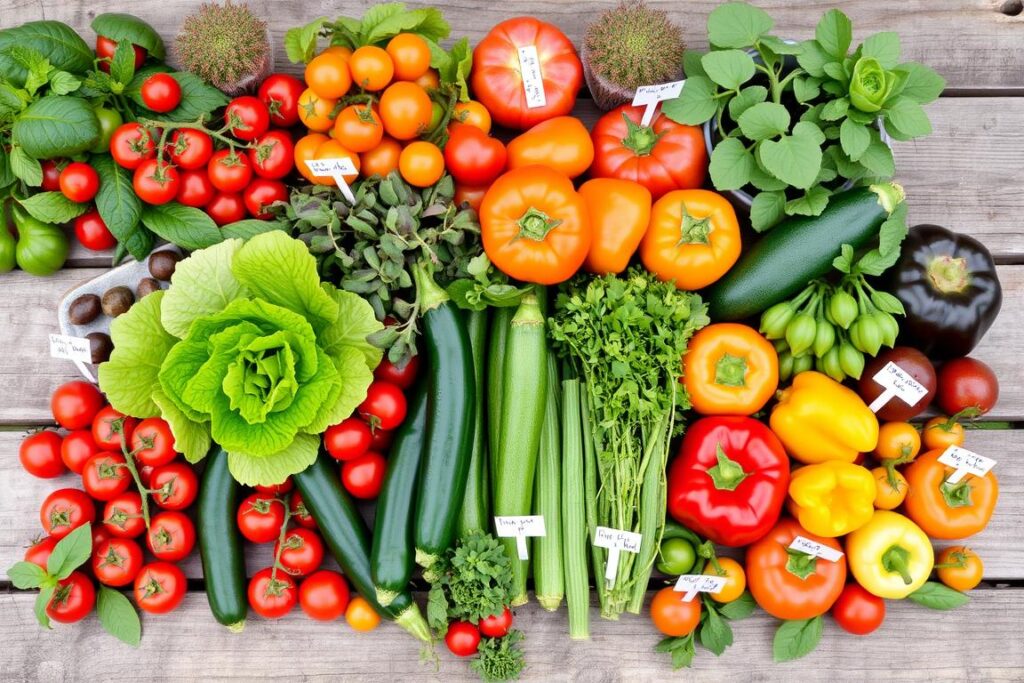
High-yield vegetables that deliver maximum returns in minimal space
| Crop | Space Requirements | Yield Per Plant | Growing Method |
| Cherry Tomatoes | 1 sq ft (vertical) | 10-15 lbs | Cage or trellis |
| Leaf Lettuce | 4 plants per sq ft | Cut-and-come-again | Containers or beds |
| Bush Beans | 9 plants per sq ft | ½ lb per plant | Raised beds |
| Zucchini | 3 sq ft | 6-10 lbs | Container or bed |
| Herbs (Basil, Cilantro) | 1 plant per sq ft | Regular harvesting | Containers |
Seasonal Planting Calendar
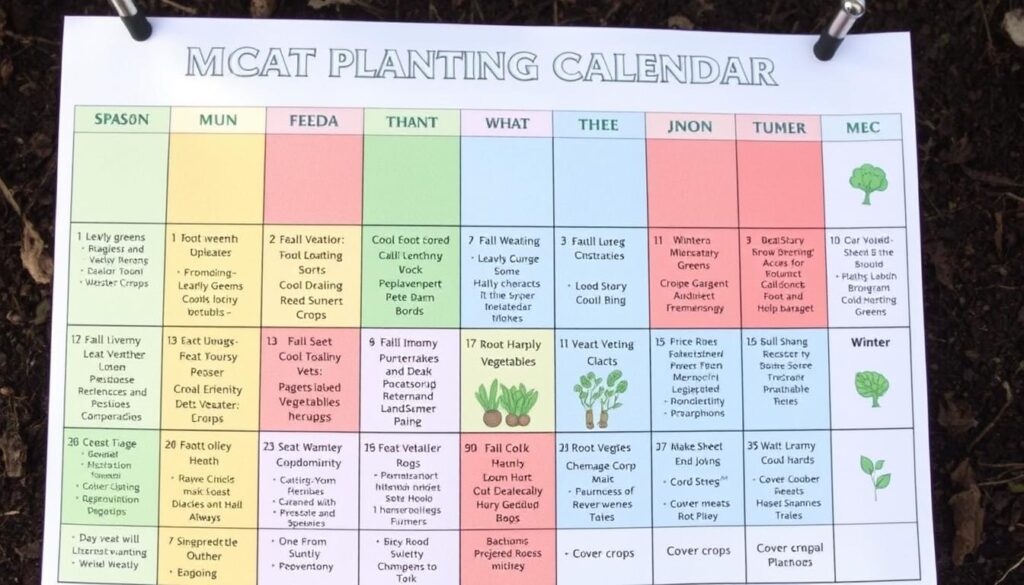
Year-round planting schedule for continuous harvests
Spring (March-May)
- Leafy greens (lettuce, spinach, kale)
- Root vegetables (radishes, carrots)
- Peas and early beans
- Herbs (parsley, cilantro, dill)
Summer (June-August)
- Tomatoes and peppers
- Cucumbers and summer squash
- Beans and corn
- Heat-tolerant herbs (basil, oregano)
Fall (September-November)
- Second crop of leafy greens
- Root vegetables (beets, turnips)
- Garlic and onions (for next year)
- Cold-hardy herbs
Winter (December-February)
- Cold frames: spinach, kale
- Indoor microgreens and sprouts
- Planning and seed ordering
- Tool maintenance
Companion Planting for Pest Control
Strategic plant pairing can naturally deter pests while maximizing space. These combinations work particularly well in small homestead gardens:
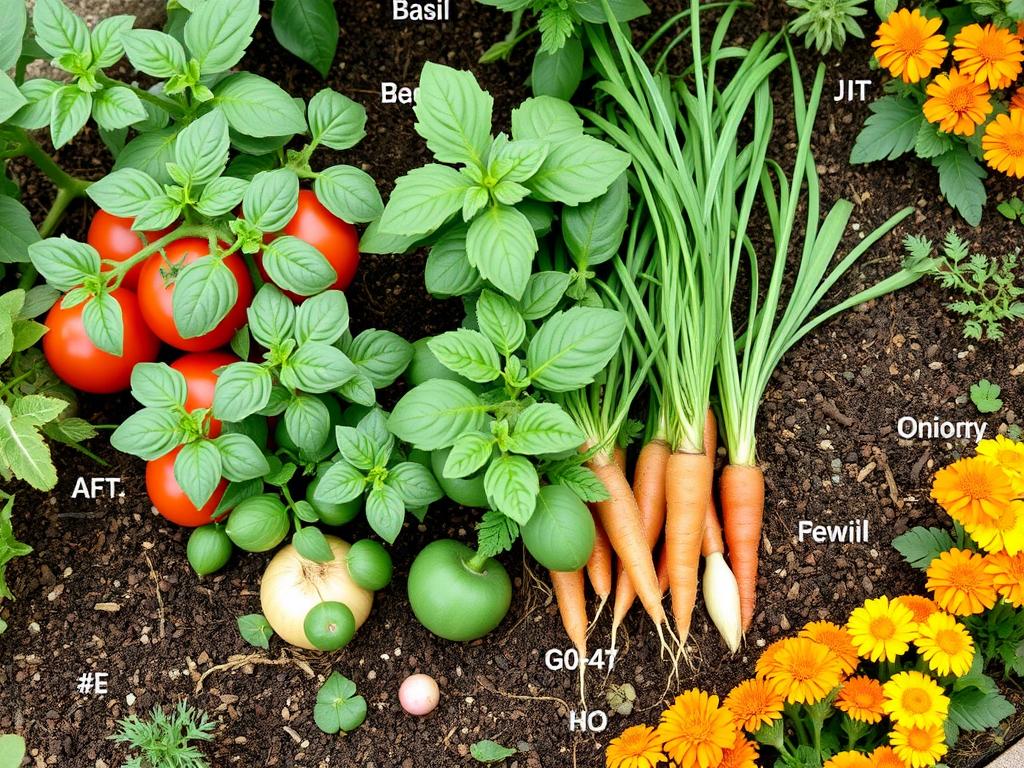
Companion planting combinations for natural pest management
Tomatoes + Basil
Basil repels tomato hornworms and improves tomato flavor. Plant basil around the base of tomato plants.
Carrots + Onions
Onions deter carrot flies while carrots repel onion flies. Alternate rows in the same bed for mutual protection.
Cabbage + Aromatic Herbs
Thyme, rosemary, and sage mask the scent of brassicas, deterring cabbage moths and other pests.
Maintenance Tips for Your Backyard Homestead
Efficient maintenance systems are crucial for small-space homesteads. The right approach minimizes work while maximizing productivity.
Water Management
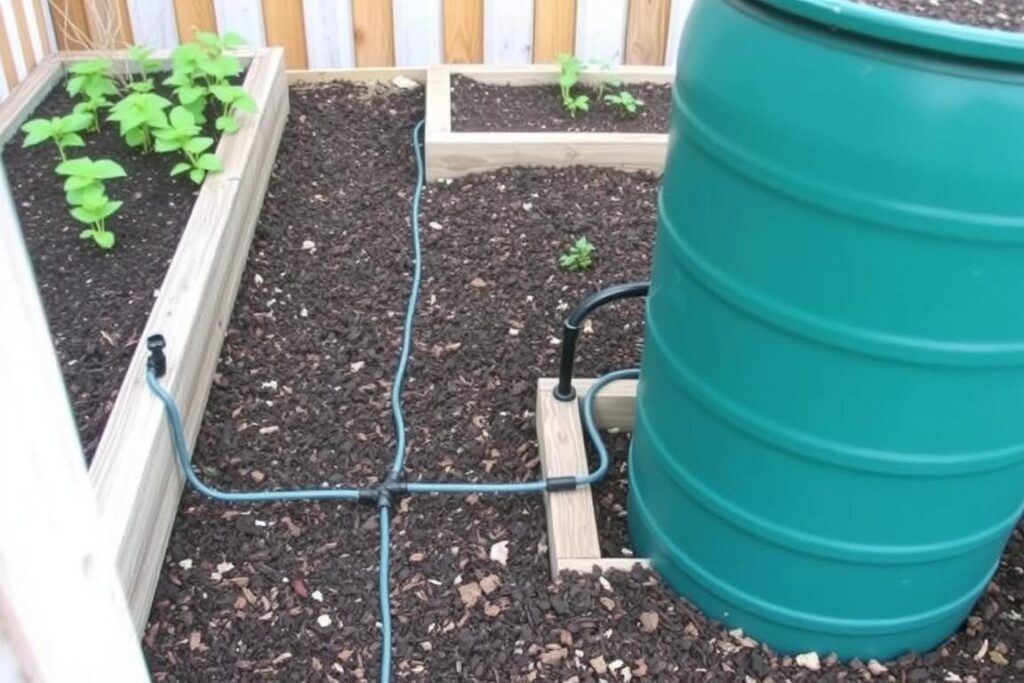
Efficient irrigation systems conserve water while keeping plants healthy
Drip Irrigation
Drip systems deliver water directly to plant roots, reducing waste by up to 70% compared to sprinklers. For small homesteads, simple DIY kits connect to standard hose bibs and can water multiple zones.
Self-Watering Containers
These containers include a reservoir that plants can draw from as needed, reducing watering frequency to once weekly in many climates. Particularly useful for balcony or patio homesteads.
Organic Pest Control
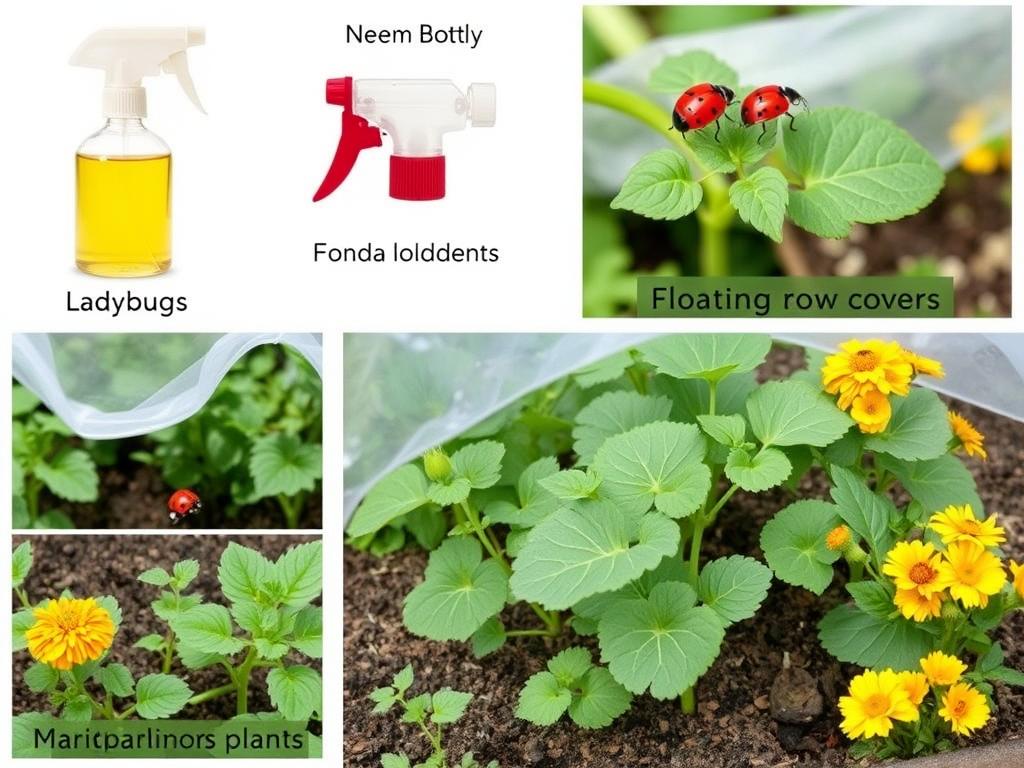
Natural pest management solutions for chemical-free gardening
- Neem Oil: Dilute 2 teaspoons in 1 quart of water with a drop of dish soap. Spray on affected plants weekly to control aphids, mites, and fungal issues.
- Beneficial Insects: Introduce ladybugs and lacewings to control aphids and other soft-bodied pests. One release in spring often establishes a season-long population.
- Physical Barriers: Floating row covers prevent cabbage moths, carrot flies, and other pests from reaching plants while allowing light and water through.
- Trap Crops: Plant nasturtiums to attract aphids away from your vegetables. Remove and compost heavily infested trap plants.
Soil Health Management
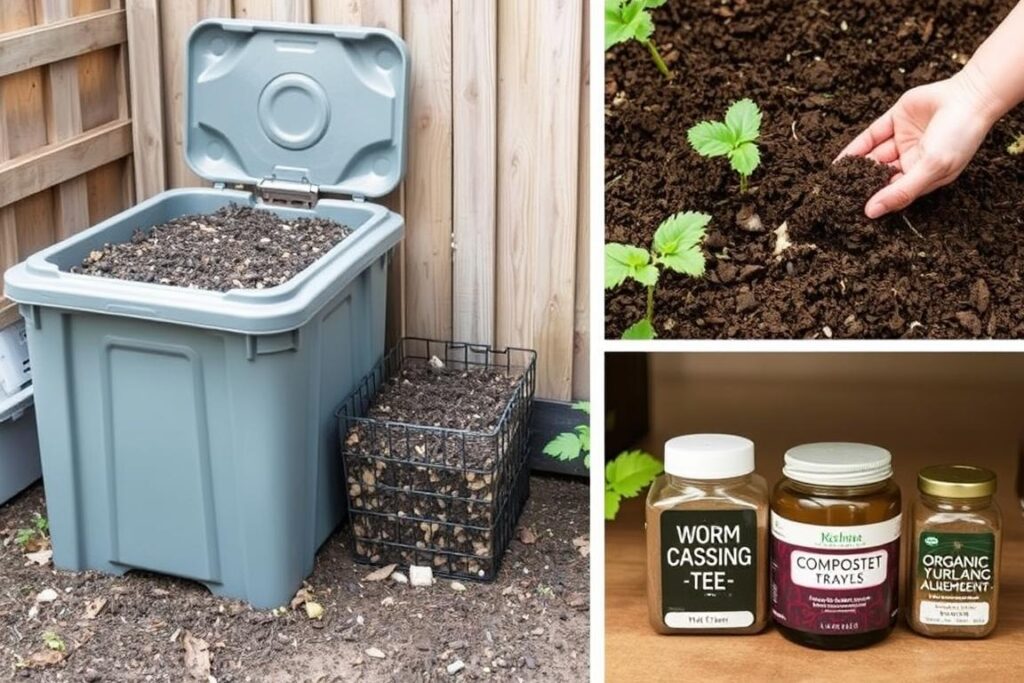
Building healthy soil is the foundation of a productive homestead
Composting
Even small spaces can accommodate compact composting systems. A 3×3 foot bin or tumbler can process household vegetable scraps and yard waste into rich compost. For tiny spaces, consider a worm bin that can fit under a sink.
Crop Rotation
Divide your garden into 4 sections and rotate plant families annually: Solanaceae (tomatoes, peppers), Legumes (beans, peas), Brassicas (cabbage, kale), and Alliums (onions, garlic). This prevents soil depletion and reduces pest buildup.
Preparing Your Homestead for Next Year
The work you do at season’s end sets the stage for next year’s success. These end-of-season tasks improve soil, preserve genetic diversity, and protect your garden infrastructure.
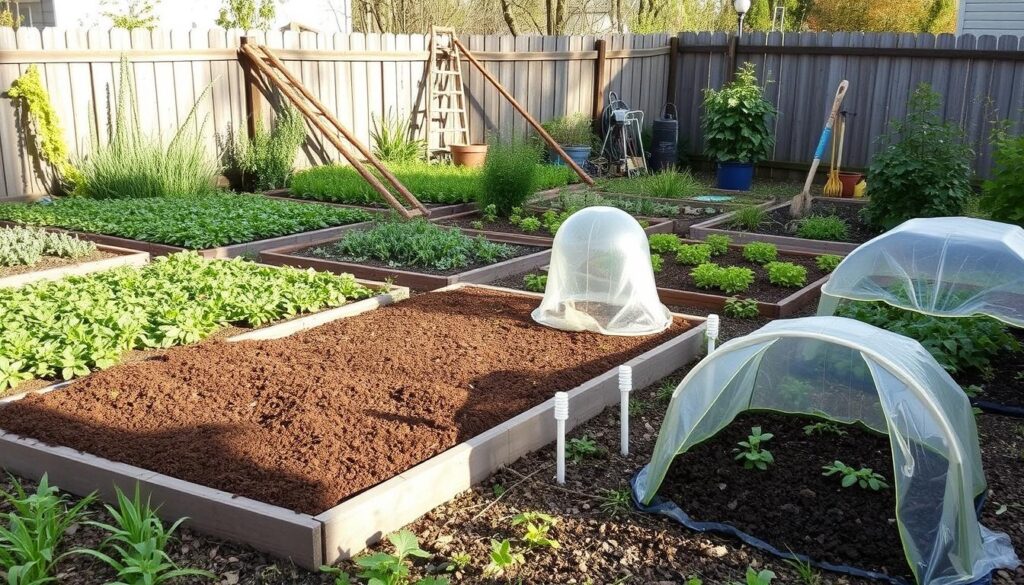
End-of-season preparations ensure continued productivity
Soil Amendment and Protection
- Add 2-3 inches of compost to beds after final harvest to replenish nutrients
- Plant cover crops like clover or winter rye to prevent erosion and add organic matter
- Apply mulch to perennial beds using fallen leaves or straw
- Test soil pH and amend accordingly with lime (to raise pH) or sulfur (to lower pH)
Seed Saving
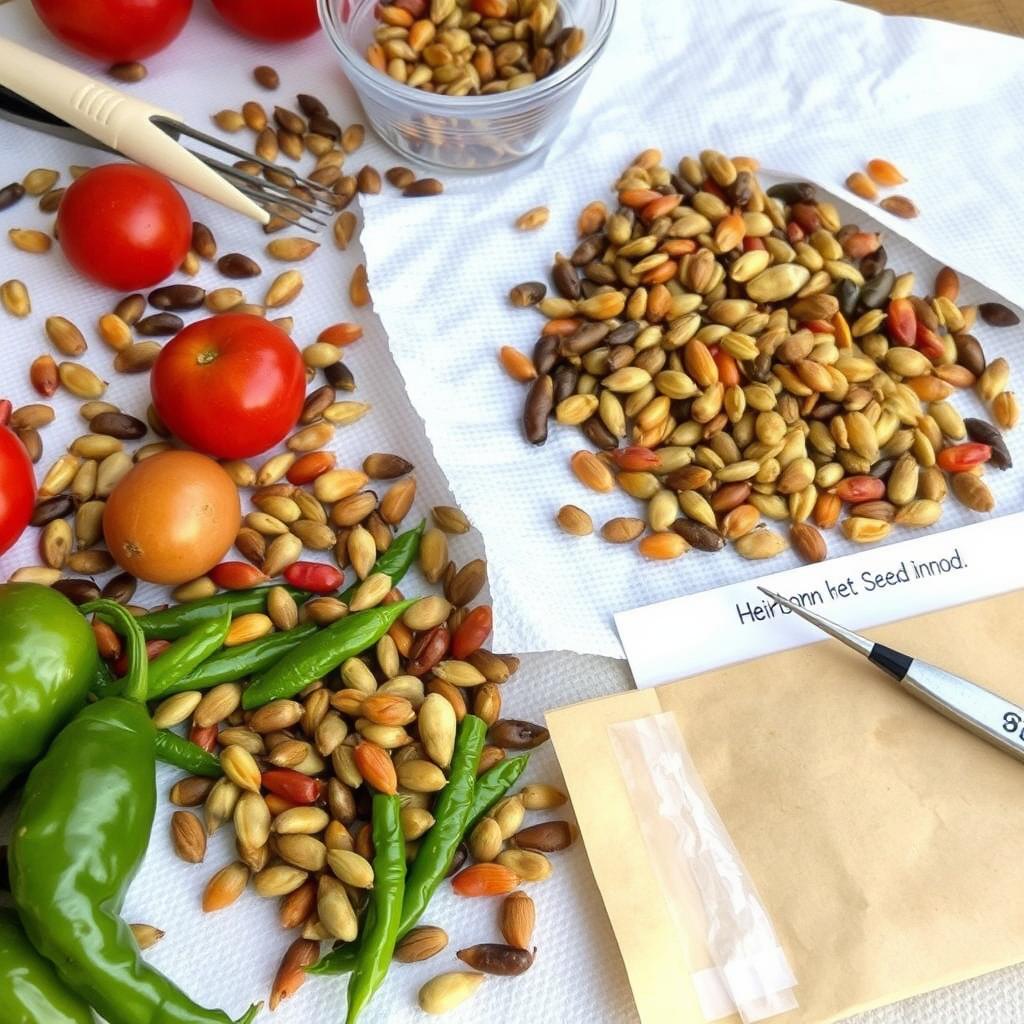
Saving seeds preserves favorite varieties and reduces costs
Saving seeds from your best-performing plants adapts varieties to your specific growing conditions over time. Focus on easy crops for beginners:
Tomatoes
Scoop seeds from fully ripe fruits, ferment in water for 3 days, rinse, and dry on paper towels before storing in paper envelopes.
Beans and Peas
Allow pods to dry completely on the plant until they rattle when shaken. Shell and store in airtight containers in a cool, dry place.
Evaluating and Adjusting Your Plan
- Review garden journal notes on what thrived and what struggled
- Adjust spacing based on observed plant growth patterns
- Reconsider plant placement based on sun patterns and companion relationships
- Plan to expand successful elements and modify or replace unsuccessful ones
Stay Connected for Seasonal Updates
Join our newsletter for monthly homesteading tips, seasonal planting reminders, and exclusive guides for small-space food production.
Start Your Backyard Homestead Journey Today
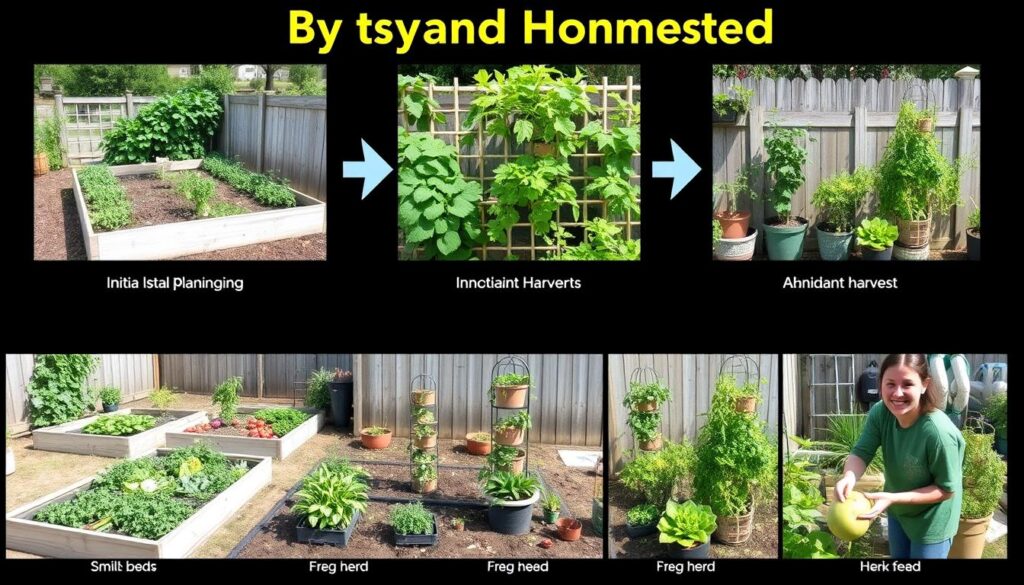
From planning to harvest: A successful backyard homestead journey
Creating a productive backyard homestead is a journey that begins with a single seed. Start small with just a few containers or one raised bed, then expand as your confidence and skills grow. Remember that homesteading is about progress, not perfection.
The rewards extend beyond fresh food—you’ll gain valuable skills, connect with natural cycles, and experience the deep satisfaction that comes from growing your own sustenance. Your backyard homestead plan will evolve over time, becoming more efficient and productive with each passing season.
What will you grow first in your backyard homestead? Share your plans and progress in the comments below!

