
Let’s be real. Not everyone has a huge backyard for a traditional plot.
If your gardening space is more “balcony” than “acreage,” I’ve got good news. You can still harvest amazing produce.
Here’s the brilliant hack: container gardening with common 5-gallon buckets. I’m talking about turning a sunny patio corner into a mini-farm.
This method is a total game-changer. Your plants become portable. Need more sun? Just move the container.
You’ll also deal with fewer weeds and pests. Since you control the soil from the start, your crops get a perfect home. (Just drill holes for drainage—trust me on this).
This guide covers 15 fantastic options that thrive in this setup. I’ll walk you through the simple process, step by step.
Think of it as gardening with training wheels. It’s efficient, flexible, and perfect for beginners. Ready to start?
Getting Started with 5 Gallon Bucket Gardening
So, what’s the real appeal of ditching the in-ground bed for a mobile container setup? It’s not just about lacking a yard. This method offers serious advantages that make gardening simpler and more productive.
Why Choose Container Gardening
You get total command over your plants’ environment. Forget battling poor native ground. You fill each container with perfect potting mix. This means no weeds from day one.
Space-saving is the core perk. Line buckets on a patio, deck, or driveway. You can even stack them for a vertical garden. It turns any sunny spot into a productive zone.
Portability is a game-changer. Is your tomato getting too much afternoon sun? Just pick up the 5-gallon buckets and move it. Your plants are never stuck in a bad location.
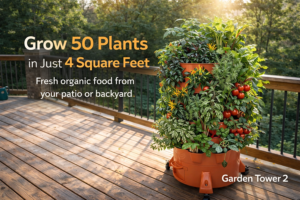
Overview of Benefits and Space-Saving Techniques
Elevation is a secret weapon. Raising containers deters rabbits and slugs. (Squirrels are a different story, but hey, we try).
For anyone with back issues, waist-high gardening is a blessing. There’s less bending and kneeling. Your chiropractor might miss you.
Renters, this one’s for you. Your whole garden can move with you. Try doing that with a traditional plot. Spoiler alert: you can’t.
| Feature | Container Gardening | In-Ground Gardening |
|---|---|---|
| Soil Control | Complete. Use ideal potting mix. | Limited. Amend existing soil. |
| Space Use | Highly flexible. Use vertical and paved areas. | Requires dedicated plot of land. |
| Portability | Full. Move plants for sun or weather. | None. Plants are fixed. |
| Pest Management | Easier. Elevated height deters many ground pests. | Harder. Direct access for slugs, rabbits. |
| Accessibility | High. Less bending, great for mobility issues. | Low. Requires ground-level work. |
As you can see, the benefits stack up quickly. It’s a smart, adaptable way to grow your favorite vegetables.
Preparing Your Buckets and Essential Materials
Before you dream of harvests, we need to talk hardware and drainage. This setup is non-negotiable. Get it wrong, and you’re hosting a root rot party.
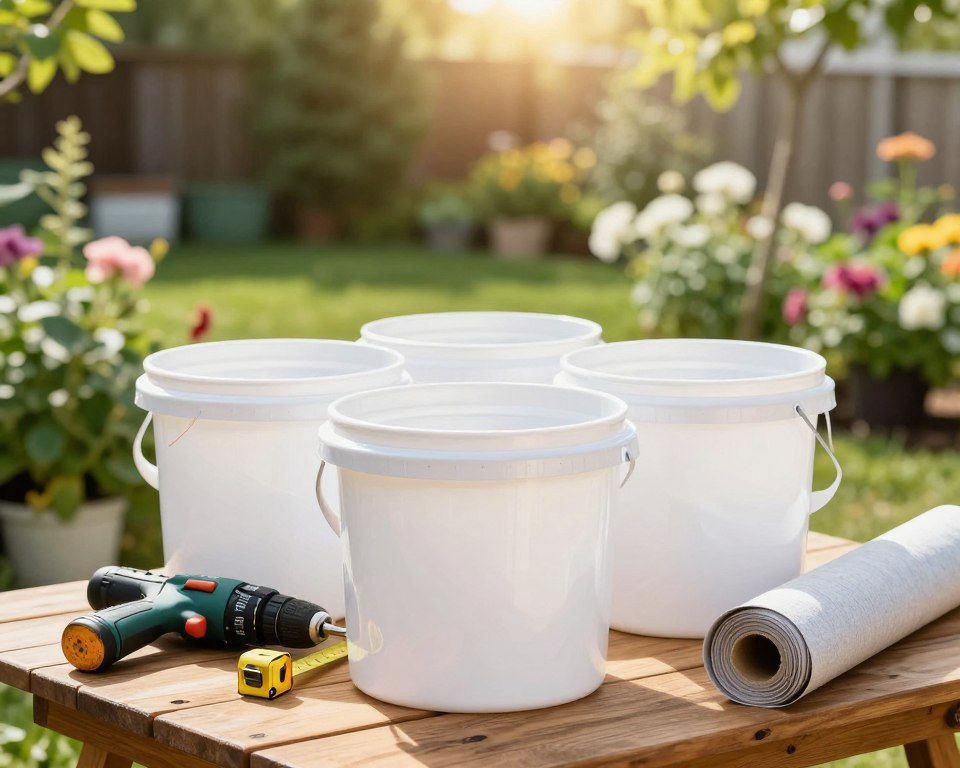
I’ll walk you through sourcing the right containers and creating the perfect foundation. Trust me, skipping steps here is the fastest way to kill your plants with kindness (and water).
Selecting Food-Grade Buckets
First, grab food-grade, BPA-free buckets. You’re growing food, not storing paint. Chemicals can leach from industrial containers.
I find them in the paint aisle at my local grocery store for about three bucks each. The lid is optional. Your future tomatoes will thank you.
Drilling Proper Drainage Holes and Adding Gravel
Now, the fun part. Grab a drill with a 1/2-inch bit. You must create drainage holes.
Drill four holes in the bottom. Space them out. Then, drill four more around the sides, about an inch from the bottom. This allows air to reach the roots.
Without this, you create a swamp. Roots can’t swim.
Next, add a 2-3 inch layer of gravel or small rocks to the bucket bottom. This keeps the holes clear and improves drainage.
Finally, fill with quality potting soil made for containers. Some gardeners mix in vermiculite or perlite. This regulates temperature and helps the soil breathe.
Leave two inches at the top of your 5-gallon bucket for water. Your potting soil is now ready for action.
How to Grow Vegetables to Grow in 5 Gallon Buckets
Now for the main event: selecting the stars of your portable garden. This list is your cheat sheet for what works best.
Ideal Vegetables: Tomatoes, Peppers, Eggplant, and More
Tomatoes are the undisputed champions. Stick to one plant per bucket. Choose compact, determinate varieties like ‘Patio Choice’.
Peppers are incredibly versatile. You can fit two plants in a 5-gallon bucket if you pick smaller types.
For quick wins, pack in leafy greens like lettuce. Root crops like carrots also thrive with many seeds per container.
Bush beans are a great choice. So are compact cucumbers and squash varieties, with one per bucket.
Heavy feeders like eggplant, broccoli, and cabbage demand their own space. Give them a solo container.
Don’t forget herbs. One basil plant will fill a bucket and makes a perfect tomato neighbor.
Interplanting Strategies and Spacing Tips
Here’s a smart trick. Tuck quick-growing radishes around slower plants like cabbage. You’ll harvest the radishes before the big ones need the room.
Timing is everything. Start tomatoes and peppers indoors weeks before the last frost. Direct sow beans and cucumbers when the soil is warm.
Cool-season crops like peas go in early. Following these spacing and timing rules is your ticket to a full harvest.
Container Gardening Tips: Spacing, Watering, and Maintenance
The secret to a bountiful harvest isn’t just planting—it’s in the ongoing care. Your container garden is totally dependent on you. Think of it as the difference between free-range and caged chickens.
Plants grow in a confined space. Their roots can’t forage for water or food. This means your routine is everything.
Optimizing Soil Quality and Fertilization
Soil quality in a bucket degrades fast. Nutrients wash out through drainage holes. You must amend the potting soil each season.
Here’s a money-saver. You can reuse potting mix year after year. Remove old plants, shake loose soil from the roots, and add fresh compost.
Fertilization is a delicate dance. Too much chemical feed burns your plants grow. I swear by compost. It’s gentle and improves soil structure.
| Condition | Watering Frequency | Key Tip |
|---|---|---|
| Cool Season | Every 2-3 days | Check moisture 1 inch down. |
| Hot Season | Daily | Water in the early morning. |
| Extreme Heat (115°F+) | Daily, sometimes twice | Use shade cloth to moderate soil temperature. |
Watering Schedules and Seasonal Adjustments
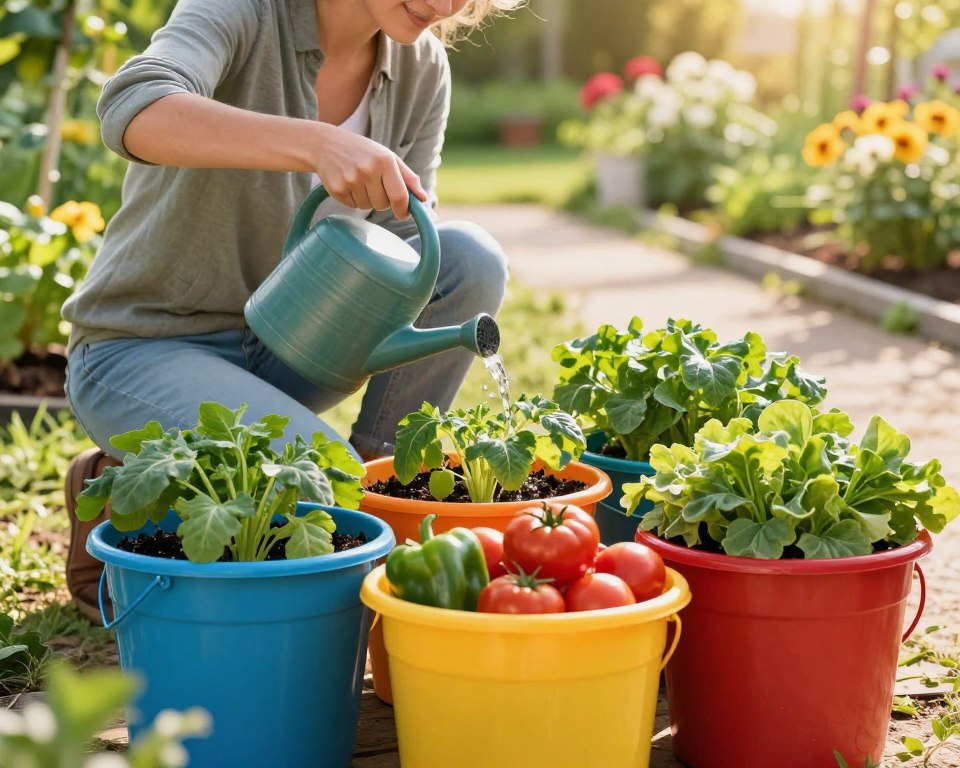
Watering is where gardeners win or fail. Buckets dry out faster than ground soil. You might need to water daily in summer.
But overwatering is the top killer. Always feel the soil before adding more. Ensure water flows freely from the bottom holes.
Give each bucket a quarter-turn weekly. This stops plants from leaning like sun-starved groupies. It promotes even, strong stems.
In desert heat, daily watering is non-negotiable. Pair it with shade cloth. Your tomatoes will thank you by not turning into crisps.
Adapting Your Bucket Garden to Local Climates
Here’s the beautiful part about bucket gardening: you can outsmart Mother Nature’s mood swings. Your local climate isn’t a fixed obstacle. It’s a variable you can manage with the portability of your setup.
This flexibility is a total game-changer. When a surprise frost hits, just wheel those buckets into the garage. A hailstorm warning? Slide them under an overhang. Your plants get a mobile home for safety.
Managing Temperature Extremes
Cold climate growers have a secret weapon. You can extend your garden season by weeks. Move containers to a sheltered spot during a cold snap. It’s like a winter vacation home for your peppers.
Heat management requires different tricks. In scorching areas, move buckets to afternoon shade. Use shade cloth for heat-sensitive vegetables like lettuce. They’ll thank you by not bolting.
Your choice of varieties is crucial. Northern gardeners should pick cold-hardy ones with short maturity times. Southerners need heat-tolerant varieties that laugh at humidity.
Don’t sleep on your local extension office. These folks provide climate-specific advice. Some even sell food-grade bucket supplies. They know what works in your microclimate.
Plan your season like a pro. Grow cool crops like peas in spring. Swap in heat-lovers like tomatoes for summer. This rotation maximizes your harvest all year.
Troubleshooting Common Bucket Gardening Challenges
Even the best-laid bucket garden plans can hit a few snags. Let’s tackle the most common headaches before they ruin your harvest.
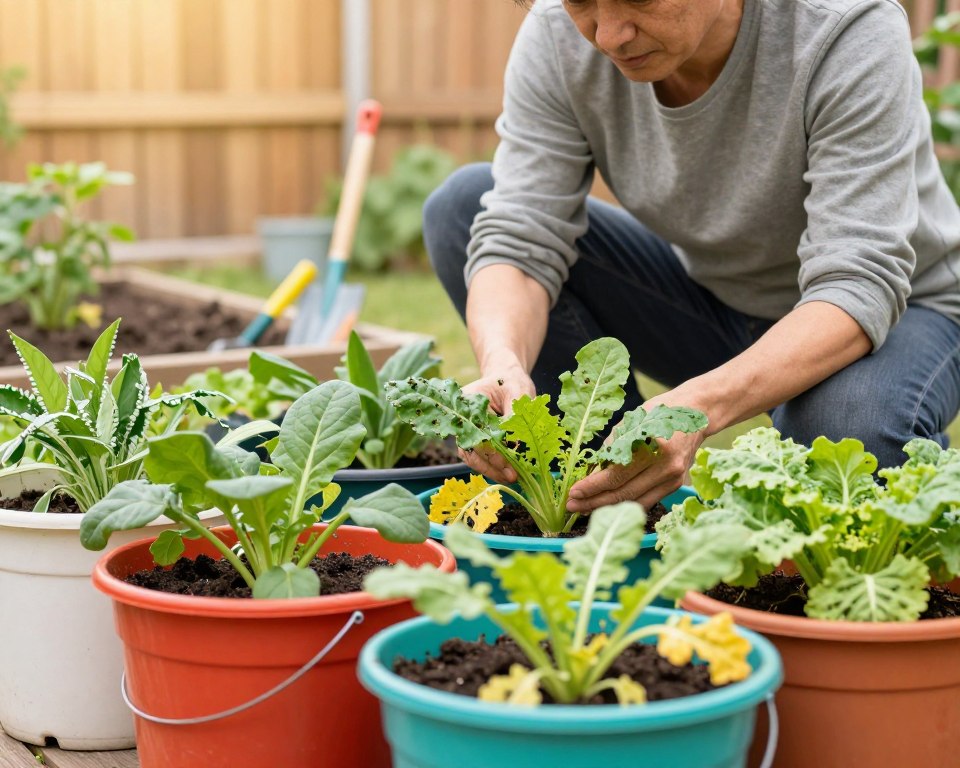
Preventing Overwatering and Soil Nutrient Depletion
Overwatering is the serial killer of container gardens. Your drainage holes are vital, but you must also check the soil an inch down. Only water if it’s dry.
Nutrients vanish fast in a closed container. Unlike ground soil, your bucket mix can’t replenish itself. Fight back with regular compost top-ups. Gentle organic feed keeps your plants happy without chemical burn.
Using Companion Plants for Pest Control
Companion planting is smart, not superstitious. Basil near tomato plants repels aphids. Alliums like onions confuse pests with their smell.
Interplant lettuce with quick crops. This maximizes space and baffles bugs. Some herbs, like mint, are too aggressive. Give them their own bucket to avoid a takeover.
Rotate your buckets weekly to prevent lopsided growth. Clear clogged drainage holes with a stick to stop roots from rotting. A little vigilance goes a long way.
Conclusion
The journey from bucket to harvest is now in your hands. You have the list, the steps, and the know-how to turn a few containers into a productive garden. This isn’t just about saving money (though that’s a serious perk). It’s about the unmatched satisfaction of eating what you nurtured.
Sure, container gardening demands more attention than a garden in the ground. You’ll water often and refresh the potting mix each year. But the trade-off is complete control. Your plants are portable, pests are manageable, and any sunny space works.
Start with a couple of buckets and easy varieties like lettuce or peppers. That first sun-warmed tomato you pick will feel like pure gold. Don’t let a history of plant casualties stop you. Get some seeds, drill those holes, and get growing.
