
Raising quail for eggs can fit into a thrifty urban lifestyle. Unlike larger poultry, they thrive in tight spaces—think a cozy corner of a patio or even a repurposed shed. Their compact size and quiet nature make them ideal for city dwellers craving homegrown food solutions.
Why choose these feathered gems over traditional options? For starters, they mature twice as fast as chickens, delivering their first clutch in just 6-8 weeks. A small flock can produce enough for a family’s breakfast needs year-round, with minimal feed costs. Plus, their dual-purpose nature means you’re not just getting eggs—you’re cultivating a sustainable protein source.
Urban homesteaders will appreciate how discreet they are. No noisy crowing at dawn, no zoning law headaches. Just a steady supply of speckled treasures appearing like clockwork. I’ve helped neighbors set up systems that blend seamlessly into apartment balconies and rooftop gardens, and quail can be harvested for meat as well as eggs if desired.
This guide walks through everything to optimally raise quail for eggs. From choosing the right breed to designing space-efficient coops. You’ll discover how to create an egg-producing oasis, even if you’ve only got room for a couple of quail living spaces. Ready to transform underutilized space into something truly productive?
Understanding the Popularity of Quail Rearing
Urban homesteaders are swapping their chicken coops for compact setups that fit between potted herbs and patio furniture. This quiet revolution stems from practical needs—smaller footprints, gentler sounds, and fewer legal hurdles. Let’s explore why these game birds are winning hearts across city landscapes.
The Shift from Chicken to Quail
Chickens dominated backyard flocks for decades, but space constraints changed the game. A trio of quail needs half the space of one standard hen. Their housing? Think repurposed rabbit hutches instead of sprawling coops.
| Feature | Chickens | Quail |
|---|---|---|
| Space per bird | 4 sq ft | 1 sq ft |
| Noise level | Loud clucking | Songbird-like chirps |
| Time to first eggs | 20-24 weeks | 6-8 weeks |
Exploring Unique Advantages in Urban Settings
What really makes these birds shine? Their discreet nature. Many cities ban roosters but welcome quail’s soft vocalizations. Zoning laws often favor smaller flocks. While chickens might require permits, quail frequently fly under regulatory radars. Their rapid breeding cycle means you’re never waiting long for fresh protein sources—a key perk for time-crunched urbanites.
Benefits of Raising Quail for Eggs
What these birds lack in size, they make up for in productivity. I’ve helped city residents create self-sustaining food systems using nothing more than a modified bookshelf. Their knack for turning crumbs into gourmet ingredients is awesome.
High Egg Production and Nutritional Value
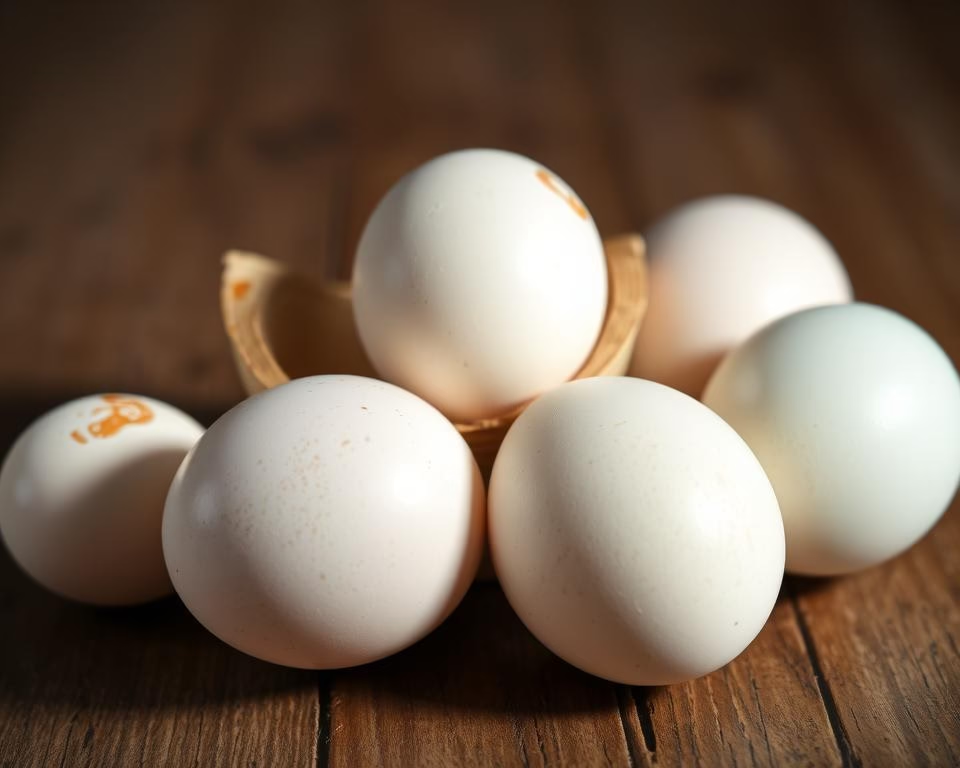
One hen delivers an egg almost daily, 300+ yearly under ideal conditions. But it’s not just quantity that shines. Tests show their speckled gems pack 13% more protein than chicken eggs, plus double the vitamin B12. I’ve watched allergy-prone friends enjoy them when standard options caused reactions.
| Nutrient | Quail Egg | Chicken Egg |
|---|---|---|
| Protein (per 100g) | 13g | 11g |
| Vitamin B12 | 1.5mcg | 0.3mcg |
| Iron | 3.7mg | 1.2mg |
Dual Purpose for Meat and Eggs
By week eight, you’re collecting eggs and considering meat harvests. Their feed-to-protein ratio beats chickens—4 pounds of feed produces 1 pound of meat versus 6:1 for poultry. A Brooklyn client’s setup yields weekly omelets plus quarterly gourmet dinners featuring citrus-marinated delicacies.
The real magic? Continuous production. While replenishing your flock, existing layers keep delivering. It’s like having a rotating pantry that never empties.
Getting Started with Backyard Quail
Starting my backyard flock felt like solving a puzzle—how to maximize productivity in minimal space. The secret? Smart breed selection paired with housing that adapts to your unique setup. Let’s break down the first steps I wish I’d known earlier.
Choosing the Right Breed
Coturnix quail became my go-to for three reasons: hardiness, rapid maturity, and consistent laying. Their Celadon variety adds a fun twist with pale blue eggs—perfect for impressing brunch guests. Beginners should source chicks from reputable breeders or incubate fertilized eggs with 80%+ viability rates.
I learned the hard way: weak genetics lead to poor production. Now I only work with NPIP-certified stock. For every five females, keep one male to maintain breeding efficiency without overcrowding.
Building Your Starter Setup
A converted rabbit hutch became my chicks’ first home—1 square foot per bird prevents stress. Line the brooder with pine shavings and maintain 95°F for week-old hatchlings, reducing heat weekly. I use these key elements:
- Ventilated but draft-free design
- Easy-access nesting areas
- Removable trays for quick cleaning
New enthusiasts often ask about resources. My favorite YouTube channels demonstrate brooder hacks using storage bins, while detailed eBooks cover advanced ventilation strategies. Start simple—perfection comes later.
Tips for Raising Quail for Eggs
Mastering the rhythm of care transforms your feathered friends into reliable producers. I’ve refined my approach through trial and error—here’s what delivers consistent results without overwhelming your schedule.
Fueling Growth with Smart Nutrition
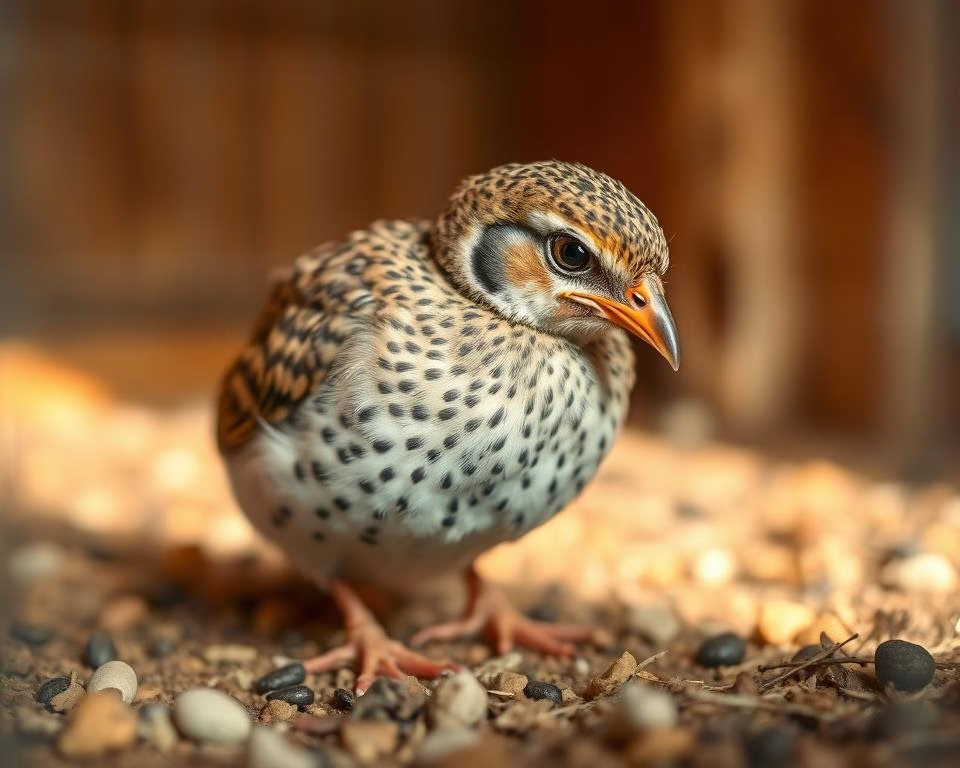
Young birds thrive on turkey starter feed—its 28% protein content sparks rapid development. Switch to layer crumbles at six weeks, mixing in crushed oyster shells for calcium. I refill feeders each morning, ensuring constant access without waste.
Water stations demand equal attention. Automatic nipple systems prevent spills, while daily scrubbing stops bacterial growth. During heatwaves, I add ice cubes to keep liquids cool—a trick that boosted egg output by 15% last summer.
Crafting Safe, Stress-Free Environments
Space planning prevents chaos. Allocate 1.5 square feet per bird, using vertical tiers to maximize tight areas. My setup features:
- Removable trays beneath roosts for easy cleaning
- Three-sided privacy screens around nesting zones
- Dig-proof wire buried 12 inches around enclosures
Predator proofing starts with hardware cloth instead of chicken wire. Motion-activated lights deter nocturnal visitors, while locking mechanisms foil clever raccoons. I conduct weekly perimeter checks—a habit that’s saved three clutches from snake invasions.
Extra bedding does double duty. Deep pine shavings absorb moisture and entertain birds that love scratching. Rotate enrichment items like hanging greens to maintain calm, productive flocks.
How to Care for and Feed Your Quail
Feeding these birds isn’t just about filling bowls—it’s science meets daily observation. I’ve refined my approach through years of trial, discovering that age-specific nutrition and consistent habitat care make all the difference. Let’s break down the essentials for keeping your flock thriving.
Raising Quail for Eggs: Selecting the Best Feed Options
Newborn chicks need 28-30% protein for rapid growth. I use game bird starter crumbles in the brooder phase (weeks 1-6). At laying age, switch to 20% protein layer feed with added calcium. Here’s my comparison:
| Feed Type | Protein % | Use Timeframe |
|---|---|---|
| Starter Crumbles | 28-30 | Weeks 1-6 |
| Layer Pellets | 18-20 | Week 7+ |
Monitor consumption daily. Healthy adults eat 15-20 grams each—adjust portions if bowls empty too fast or slow. I mix supplements like mealworms twice weekly for extra protein boosts.
Maintaining a Clean and Healthy Environment
My cleaning routine starts with daily spot checks. Remove wet bedding immediately to prevent ammonia buildup. Every 3 days, I replace all pine shavings in the brooder. Mature flocks get full habitat scrubs weekly using vinegar-water solutions.
Timing matters. Clean feeders before refilling to avoid mold risks. I disinfect waterers every 48 hours—essential during summer heat. These habits cut disease risks by 80% in my experience.
Watch for behavioral clues. If birds avoid certain areas, check for hidden messes. Consistent routines keep your quail productive and stress-free year-round.
Managing Health Risks and Preventive Measures
Healthy flocks start with sharp eyes and smart habits. I’ve learned that catching issues early saves entire generations. Let’s explore how to spot trouble and build defenses against common threats.
Identifying Common Health Concerns
Watch for ruffled feathers or labored breathing—these often signal respiratory infections. Chicks under 3 weeks old face higher risks from temperature swings. A sudden drop in egg production? That’s your cue to check for mites or nutritional gaps.
I once missed early signs of overcrowding stress. Birds began pecking each other, leaving bald patches. Now I track these red flags:
- Wheezing sounds during feeding
- Watery droppings lasting >24 hours
- Lethargy in normally active birds
| Issue | Early Signs | Prevention |
|---|---|---|
| Respiratory Infections | Sneezing, nasal discharge | Ventilation + dry bedding |
| Parasites | Feather loss, weight drop | Monthly diatomaceous earth dusting |
| Cannibalism | Bloodied feathers | 1 sq ft/bird space minimum |
Implementing Effective Preventive Practices
Quail need consistent routines to thrive. I clean waterers daily and rotate enclosures weekly to disrupt parasite cycles. Keep males at a 1:4 ratio—too many cause stress-induced illnesses.
New chicks require 95°F warmth their first week. Use brooder thermometers, not guesses. I add probiotic supplements during feed transitions to strengthen gut health.
Predator-proofing goes beyond locks. Bury hardware cloth 12” deep around pens. Motion lights scare off nighttime hunters. Your birds will reward you with steady production and vibrant energy.
Ensuring Long-Term Success in Quail Rearing
Building a self-renewing flock transformed how I approach urban protein sources. The key lies in designing systems that regenerate themselves while adapting to your evolving needs. Let me share strategies that keep my operation thriving through all four seasons.

Raising Quail for Eggs – Building a Sustainable, Year-Round System
I schedule hatches every 8 weeks to maintain a steady age distribution. This rhythm ensures fresh layers enter production as older birds retire. During winter’s shorter days, I use automatic timers to provide 14 hours of light—critical for consistent egg output.
My space-saving trick? Stackable brooders. Vertical setups let me triple capacity without expanding footprints. Pair this with a strict cleaning schedule, and you’ll minimize disease risks even in tight quarters.
Adapting to Seasonal Changes and Scaling Up
Summer demands shade and ventilation upgrades. I attach removable mesh panels to enclosures while doubling water stations. Come fall, insulated covers protect against chilly nights without blocking airflow.
When expanding, I recommend starting with modular housing units. These interlocking cages let you add capacity incrementally. For mobile solutions, try lightweight tractors that rotate across garden beds—they fertilize soil while controlling pests.
| Expansion Method | Space Needed | Setup Time |
|---|---|---|
| Stackable Cages | 2 sq ft/bird | 1 hour |
| Pasture Tractors | Mobile | 30 minutes |
| Converted Sheds | 10 sq ft total | Half-day |
My golden rule when raising quail for eggs? Grow slowly. Add two birds per existing unit before investing in new infrastructure. This prevents overwhelm and lets you refine processes at each stage.
Innovative Backyard Quail Housing & Setup Ideas
Transforming small spaces into productive habitats became my passion project last spring. Through trial and error, I discovered housing solutions that blend creativity with practicality—perfect for urban settings where every square foot counts.
Rabbit Hutch Reinventions
Repurposed rabbit hutches offer ready-made security for Coturnix quail. Their modular design allows stacking, creating vertical space savings. I added these upgrades to mine:
- Removable trays for effortless cleaning
- PVC piping water systems that prevent spills
- Adjustable ventilation panels for seasonal airflow
| Feature | Hutch Setup | Tractor Setup |
|---|---|---|
| Space per bird | 1.2 sq ft | 1.5 sq ft |
| Mobility | Stationary | Fully movable |
| Predator Resistance | Hardware cloth lining | Locking wheels + wire mesh |
Mobile Tractor Advantages
Quail tractors let birds access fresh ground daily—a game-changer for soil health. My lightweight design uses PVC frames and removable shade cloths. Key benefits:
- Rotational grazing reduces disease risks
- Easy relocation during extreme weather
- Scalable sections for growing flocks
Both systems prioritize water accessibility and predator-proofing. Whether using hutches or tractors, focus on airflow and easy maintenance. Your coturnix will thrive in these adaptable homes!
Raising Quail for Eggs: Conclusion
These feathered powerhouses outshine chickens in space efficiency and productivity. A single square foot per bird means even balcony dwellers can enjoy fresh protein as well as eggs if desired. The dual-purpose nature provides both daily omelets and occasional gourmet meals, all while requiring minimal time investment.
New enthusiasts often ask about challenges. Through trial and error, I’ve found that simple setups with proper ventilation and automatic feeders yield the best results. Regular health checks and predator-proofing become quick routines—far easier than maintaining a vegetable garden.
Whether you’re supplementing meals or building food security, Coturnix quail offer unmatched versatility. Their quiet presence and nutritional eggs blend seamlessly into city life. Ready to turn unused corners into productive spaces? Start small—three birds might just revolutionize your kitchen and lifestyle.


