
Organic gardening just feels right. I still remember the first time I dug my hands into the earth. Watching my seeds grow into thriving plants was a moment of pure joy. It’s an experience I believe everyone should have.
Sustainable practices in gardening are gaining popularity. It’s not just about growing your own food.
Using eco-friendly techniques in gardening benefits the environment and our well-being. Idyl’s comprehensive courses teach you to grow your own chemical-free garden, no matter your skill level. By adopting these practices, you’ll help the planet and find joy in nurturing life.
What is Organic Gardening?
I’ve always been drawn to organic gardening. It means growing plants without using synthetic fertilizers or pesticides. This method focuses on making soil healthy with natural materials and compost. It creates a balanced environment that’s good for plants and the planet.
The Principles of Organic Gardening
The heart of organic gardening is working with nature, not against it. It uses natural fertilizers like compost, manure, or green manure to feed the soil. Crop rotation and planting plants together are also important to keep the soil healthy and control pests.
It’s also key to avoid chemical pesticides and synthetic fertilizers. These can harm good insects and pollute soil and water. Organic gardeners use natural ways to fight pests and diseases, like introducing helpful insects or using barriers.
Advantages of Organic Methods
So, why go for organic gardening? It boosts soil health, which is vital for growing healthy food. Healthy soil holds water better, supports many species, and needs less outside help. Plus, organic gardening is better for the environment, cutting down on pollution from chemicals.
- Increased nutritional value of homegrown produce
- Better flavor and texture of organically grown fruits and vegetables
- Support for local ecosystems and biodiversity
- Reduced environmental pollution
Choosing organic gardening practices leads to a more sustainable and fulfilling gardening journey. It’s not just about growing plants. It’s about building a thriving ecosystem that benefits you and the planet.
Getting Started with Organic Gardening
Starting an organic garden is rewarding. It’s more than just growing plants. It’s about making a sustainable space that helps you and the planet.
Choosing the Right Location
Finding the perfect spot for your garden is key. It should get at least 6 hours of direct sunlight daily. Most plants need lots of sunlight to thrive.
Also, pick a spot close to water. You’ll need to water your plants often. Make sure the area drains well to avoid waterlogged soil.
Soil Preparation Essentials
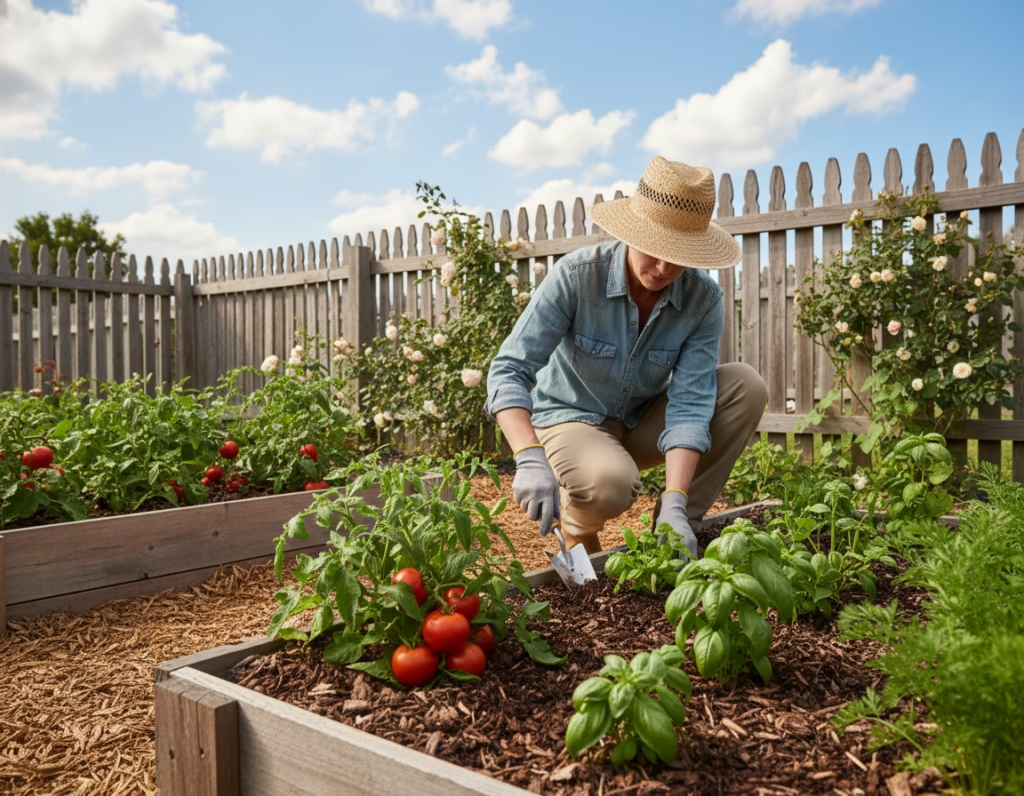
Soil is the heart of your garden. Begin by testing your soil type. Then, add organic matter like compost or manure if needed.
Composting is a smart move. It boosts soil health and adds nutrients. Use kitchen scraps, leaves, and other organic stuff for compost.
Selecting Organic Seeds
Picking the right seeds is crucial. Go for certified organic seeds or heirlooms that match your climate. Check the maturity days to fit your growing season.
Beginners should try tomatoes, lettuce, and radishes. These are easy to grow. As you get better, add more varieties to your garden.
Understanding Soil Health and Composition
Soil health is key in organic gardening. It’s full of life, from tiny microbes to insects. Keeping this balance is vital for a healthy garden.
Importance of Soil Testing
Soil testing is the first step to knowing your soil. It shows what nutrients it lacks and its pH level. This info helps you make your soil better.
There are many soil tests, from basic to advanced. Choosing the right one depends on your needs.
Organic Amendments for Fertility
After knowing your soil’s needs, add organic materials to make it fertile. Compost is a top choice, as it’s full of nutrients and improves soil. Other options include manure, green manure, and cover crops, each with unique benefits.
- Compost: Rich in nutrients and beneficial microbes.
- Manure: High in nitrogen, phosphorus, and potassium.
- Green manure: Adds organic matter and improves soil structure.
- Cover crops: Protects the soil from erosion and adds nutrients.
Using these organic amendments boosts soil health and fertility. This makes your garden more resilient and productive.
Techniques for Organic Pest Control
Understanding your garden’s ecosystem is key to organic pest control. It’s not just about avoiding chemicals. It’s about creating a space where plants and beneficial organisms thrive together.
Beneficial Insects for Your Garden
Beneficial insects are a powerful tool against pests. They can reduce pest numbers without chemicals. Ladybugs, lacewings, and parasitic wasps are especially helpful.
To attract these insects, plant a variety of flowers. Marigolds, dill, and fennel are great choices. They provide nectar and shelter.
Natural Repellents and Traps
Natural repellents and traps are also effective. A garlic and hot pepper spray can keep pests away. Other methods include:
- Neem oil, from the neem tree, controls many pests
- Sticky traps catch flying insects
- Row covers prevent pests from reaching plants
Companion Planting Strategies
Companion planting is a strong method for pest control. It involves planting certain species together. This can deter pests and improve garden health. Some strategies include:
- Marigolds with tomatoes repel nematodes
- Basil near tomatoes improves flavor and repels pests
- Nasturtiums repel aphids, whiteflies, and other pests
By using these techniques, you can keep your garden healthy and balanced. It will be more resistant to pests.
Watering Your Organic Garden
Watering your organic garden right is crucial. It’s not just about how much water you use. It’s also about when and how you water. Efficient irrigation keeps your garden healthy and productive.
Best Practices for Irrigation
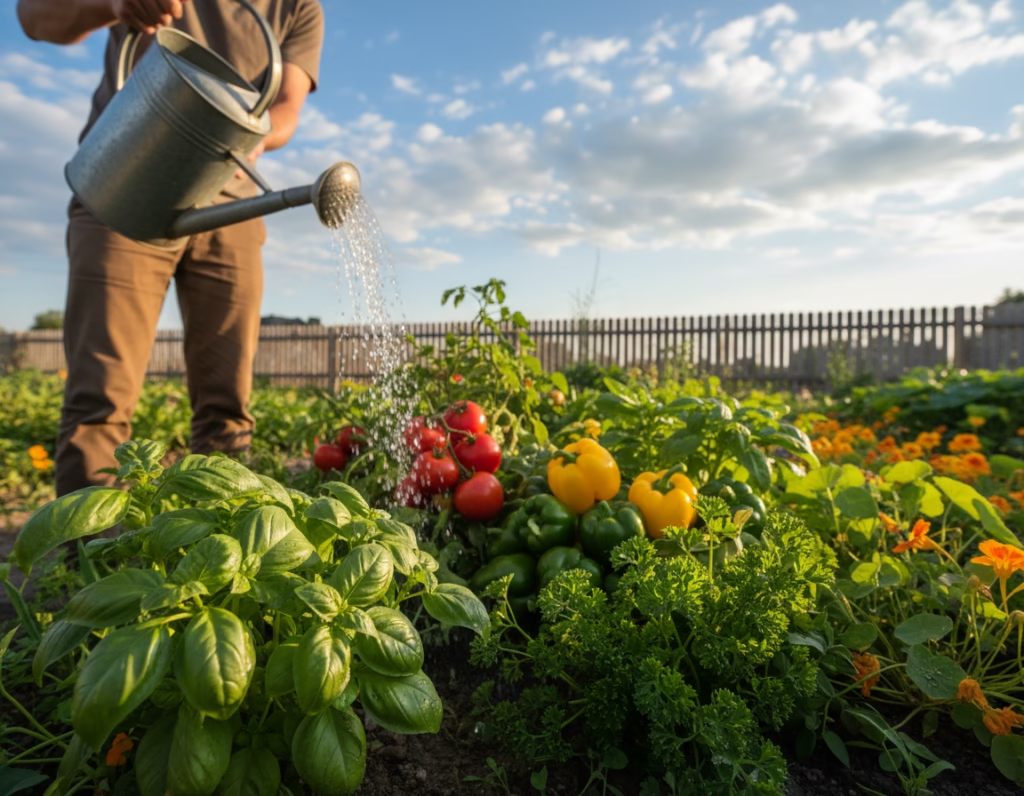
There are key practices for irrigation. Drip irrigation is very efficient. It sends water straight to the roots, cutting down on evaporation and runoff. Watering in the morning or evening helps too, as it reduces evaporation.
Using mulch is also smart. It keeps the soil moist, stops weeds, and controls soil temperature. Organic mulches like straw or leaves are great for your garden.
Rainwater Harvesting Methods
Rainwater harvesting is eco-friendly. It saves water and cuts down on your water bill. It lets you water your garden when it’s dry, keeping it healthy.
To start, you need a few things: a roof catchment, gutters, downspouts, and a tank. Make sure your roof is clean. Use a first flush device to get rid of debris.
- Choose a storage tank that fits your space and needs.
- Use a screen to keep debris out of your storage tank.
- Consider adding a overflow valve to prevent flooding.
By using these rainwater harvesting methods and irrigation tips, you’ll have a strong organic garden. Every drop of water is precious in organic gardening.
Growing Vegetables Organically
Organic gardening is a healthier way to live, starting with the veggies you grow. It changes your diet and how you see food and the environment. It’s not just about avoiding pesticides; it’s about creating a sustainable backyard ecosystem.
Top Vegetables for Beginners
For new gardeners, picking the right veggies is crucial. Look for ones that are easy to grow and can fight off pests and diseases. Here are some good choices:
- Tomatoes
- Cucumbers
- Zucchini
- Carrots
- Lettuce
These veggies are perfect for beginners. They’re easy to care for and grow well in many conditions.
Seasonal Vegetable Planting Guide
Knowing when to plant is key for a good harvest. The timing changes a lot based on your climate and the veggies you grow. Here’s a basic guide to help you:
| Season | Vegetables to Plant |
|---|---|
| Spring | Lettuce, Spinach, Peas, Radishes |
| Summer | Tomatoes, Cucumbers, Zucchini, Corn |
| Fall | Broccoli, Cauliflower, Kale, Carrots |
| Winter | Brussels Sprouts, Cabbage, Kale, Leeks |
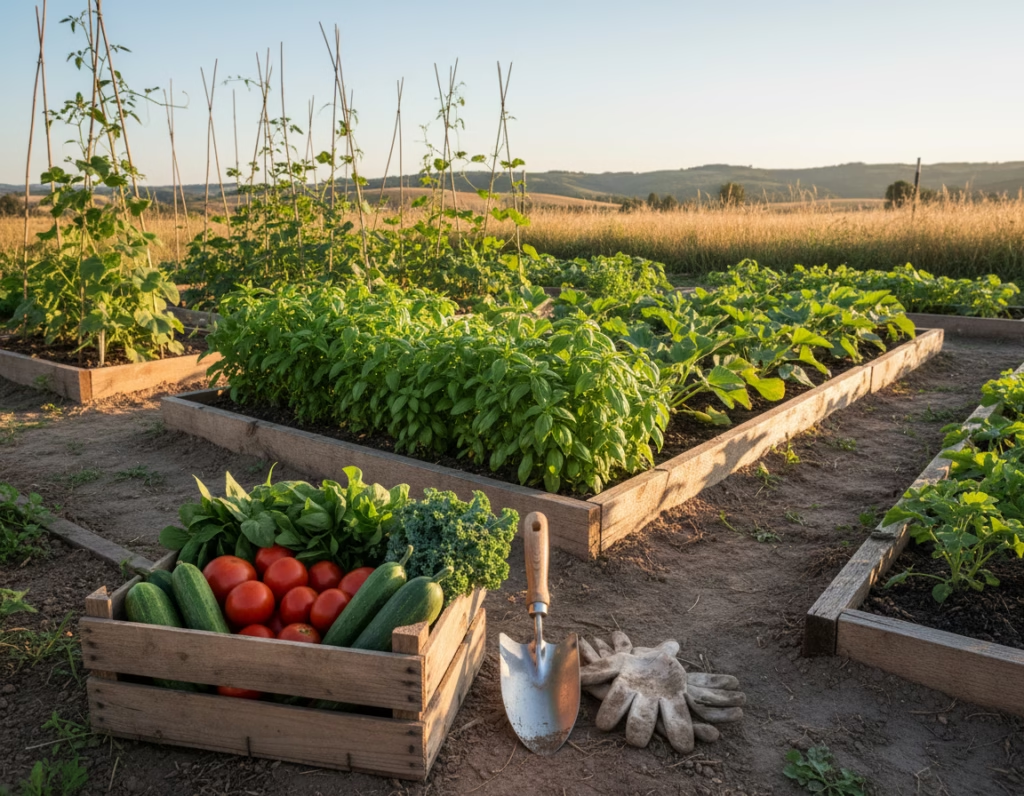
By using this guide, you can have veggies all year. Remember, the secret to organic gardening is to observe and adapt. Be ready to learn from your garden and adjust your plans as needed.
Organic Gardening for Herbs
Want to make your cooking better? Start an organic herb garden. Growing your own herbs is a great way to get fresh flavors. It’s also good for the planet.
Popular Culinary Herbs to Grow
Some herbs are easy to grow and perfect for beginners. Here are a few popular ones for organic gardens:
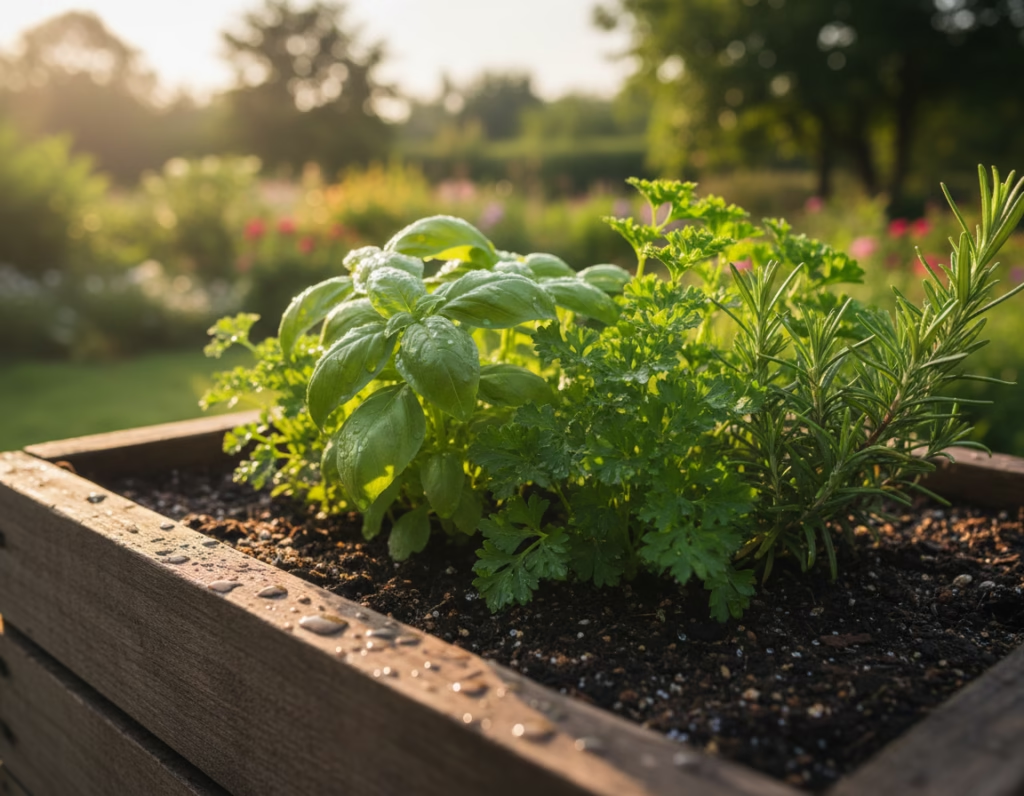
- Basil: A staple in many cuisines, especially Italian and Thai cooking.
- Cilantro: Fast-growing and used in Mexican, Indian, and Asian dishes.
- Rosemary: Drought-tolerant and perfect for roasted meats and vegetables.
- Thyme: Low-maintenance and great for soups, stews, and marinades.
- Mint: Hardy and refreshing, great for teas, cocktails, and desserts.
Benefits of Growing Herbs at Home
Growing herbs at home has many benefits. You get fresh herbs right in your kitchen. You also save money and add greenery to your space.
| Benefit | Description |
|---|---|
| Freshness | Having herbs on hand means you can add fresh flavors to your cooking anytime. |
| Cost-effective | Reduce your spending on packaged herbs from the store. |
| Aesthetic | Herbs can add beauty and fragrance to your indoor or outdoor spaces. |
Adding herbs to your organic garden makes cooking better. It also makes gardening more sustainable and fun. So, why not start your herb garden today?
Organic Fruit Gardening
Organic fruit gardening is more than just planting trees. It’s about making your garden a sustainable ecosystem. By picking the right fruits and taking good care of them, you can get a lot of tasty, chemical-free food.
Best Fruits for Small Spaces
You don’t need a big backyard to enjoy organic fruit gardening. There are many fruits that do well in small areas. They’re great for city gardens or small yards.
- Dwarf Apple Trees: These trees are small, give yummy apples, and need little space.
- Blueberry Bushes: Many blueberries are perfect for growing in pots, making them great for small spots.
- Strawberries: Strawberries are easy to grow. You can put them in hanging baskets, pots, or even vertical gardens.
Winterizing Your Fruit Plants
When winter comes, you need to get your fruit plants ready. Winterizing them keeps them safe from damage. This way, they’ll grow well next year.
- Pruning: Cut off dead or damaged branches. This helps your plants grow strong.
- Mulching: Put mulch around your plants. It keeps the roots warm and holds in moisture.
- Protecting from Frost: Use covers or frost blankets. They keep your plants safe from cold winds and frost.
By doing these things, you can keep your organic fruit garden healthy all winter.
Maintaining Your Organic Garden
A well-maintained organic garden is a joy to behold. With these tips, you can achieve just that. It’s not just about looks; it’s about creating a healthy ecosystem.
Regular Maintenance Practices
Regular maintenance is key to a successful organic garden. Tasks like weeding, composting, and checking soil health are important. Weeding prevents competition for nutrients, while composting enriches the soil, promoting healthy plant growth.
To keep your garden in top shape, set aside time each week for maintenance. This can be as simple as a quick weeding session or checking for pests. Consistency is key to preventing problems before they start.
- Check your plants regularly for signs of stress or disease.
- Keep a gardening journal to track your progress and note any changes.
- Use natural remedies for any issues you encounter.
Organic Mulching Techniques
Mulching is a simple yet effective technique. It retains moisture, suppresses weeds, and regulates soil temperature. Organic mulches like straw, bark chips, or leaves are excellent choices for your garden.
To mulch effectively, spread a layer of your chosen material around your plants. Keep it a few inches away from the stems to prevent rot. Replenish your mulch as needed, especially during the growing season.
- Reducing soil erosion
- Improving soil health over time
- Enhancing the overall appearance of your garden
By incorporating these maintenance practices and mulching techniques into your routine, you’ll be well on your way to enjoying a lush, thriving organic garden.
Organic Gardening in Containers
You don’t need a big backyard to garden organically. Container gardening changes that. With the right containers, soil, and plants, you can have a thriving garden, even in small spaces.
Container gardening is flexible and rewarding. It’s great for city dwellers, those with little space, or anyone wanting greenery on their patio or balcony. Knowing the basics of container gardening is key.
Choosing the Right Containers
Choosing the right containers is the first step. You want containers that look good and work well. Here are some things to think about:
- Material: Containers can be made from plastic, clay, wood, or metal. Each has its own benefits and drawbacks. For example, clay pots are breathable but heavy, while plastic pots are light but not as durable.
- Size: The size of the container depends on the plants you want. Big containers are needed for plants with deep roots, while small ones work for herbs or lettuces.
- Drainage: Make sure your containers have good drainage holes. This prevents waterlogged soil and root rot.
Soil and Plant Selection for Containers
The soil and plants you pick are key for a successful container garden. Containers need you to provide nutrients since they don’t have soil like in-ground gardens.
Soil Selection: Use a good potting mix for containers. These mixes help keep the soil moist but also let excess water drain, avoiding waterlogged soil.
| Plant Type | Recommended Soil Characteristics | Examples of Plants |
|---|---|---|
| Vegetables | Well-draining, rich in organic matter | Tomatoes, Peppers, Cucumbers |
| Herbs | Light, with good drainage | Basil, Mint, Cilantro |
| Fruits | Fertile, with a slightly acidic pH | Strawberries, Blueberries, Citrus |
Plant Selection: Pick plants that do well in containers and fit your local climate. Some plants are better suited for containers than others. Look for compact or dwarf varieties for the best results.
Community and Resources for Organic Gardeners
Organic gardening is more rewarding when you’re part of a community. Connecting with other gardeners can give you valuable insights and motivation. It makes your gardening journey more enjoyable.
Getting involved in a community of gardeners is very beneficial. Here are some ways to do it:
Local Organic Gardening Clubs
Local gardening clubs are great for meeting other gardeners. You can share knowledge and learn from each other’s experiences. They often have workshops and garden tours to help you improve your skills.
- Look for clubs in your area through online directories or social media platforms.
- Attend meetings and events to network with other gardeners.
- Participate in club activities, such as seed exchanges or community garden projects.
Online Resources and Forums
Online resources and forums are also very helpful for organic gardeners. They let you connect with a wider community, ask questions, and share your experiences.
Some popular online resources include:
- Gardening forums where you can discuss various gardening topics and get advice from experienced gardeners.
- Social media groups dedicated to organic gardening, where members share tips, resources, and inspiration.
- Blogs and websites focused on organic gardening, offering tutorials, product reviews, and more.
By joining both local and online communities, you can make your organic gardening journey richer. You’ll become part of a supportive network of gardeners.
Being part of a community, whether you’re new or experienced, can greatly impact your gardening. So, don’t hesitate to reach out, share your story, and learn from others.
Future Trends in Organic Gardening
Looking ahead, I’m thrilled about the future of organic gardening. Sustainability and technology will keep shaping this hobby. With more people wanting to live eco-friendly, organic gardening will grow even more. New tools make it simpler to grow your own food and herbs.
Innovations in Sustainability
Regenerative agriculture is a big trend in organic gardening. It improves soil health, biodiversity, and ecosystem services. This approach makes our gardens more sustainable and helps the environment.
By using regenerative agriculture, we support a healthier food system. It also helps fight climate change.
Technology in the Garden
Technology is changing organic gardening too. It includes things like precision irrigation and gardening apps. These tools help us keep an eye on our gardens.
Sensors can check soil moisture, temperature, and light. This gives us useful info for better gardening. With these innovations, we can grow more and enjoy a better harvest.
FAQ
What is organic gardening, and how does it differ from conventional gardening?
Organic gardening uses natural methods to keep soil healthy and fight pests. It avoids synthetic fertilizers and pesticides. This is different from conventional gardening, which often uses chemicals.
How do I get started with organic gardening?
Start by picking a good spot for your garden. Then, prepare the soil with compost and natural additives. Choose organic seeds that fit your climate. Idyl’s courses are great for beginners.
What are the benefits of using natural fertilizers in organic gardening?
Natural fertilizers like compost and manure make soil better for plants. They help plants grow without chemical risks. They also boost soil health by supporting good microbes.
How can I manage pests in my organic garden without using harsh chemicals?
To control pests without chemicals, use beneficial insects and natural repellents. Try traps and companion planting. These methods keep your garden balanced and safe for good bugs.
What are some best practices for watering my organic garden?
Use drip irrigation and mulch to save water. Harvesting rainwater is also good. These methods keep your garden healthy and water-efficient.
Can I practice organic gardening in containers?
Yes, you can garden in containers organically. Choose the right containers and soil. Pick plants that do well in containers. This is great for small spaces.
How can I improve soil health in my organic garden?
Test your soil regularly and add organic amendments as needed. Composting and natural fertilizers help too. These steps improve soil health and fertility.
What are some easy-to-grow vegetables for beginners in organic gardening?
Start with easy veggies like lettuce, kale, tomatoes, and cucumbers. These plants are simple to grow and do well in an organic garden.
How can I connect with other organic gardeners for knowledge sharing and support?
Join local clubs or online forums. These are great for meeting others, sharing tips, and learning from experienced gardeners.
What future trends can we expect in organic gardening?
Expect more sustainable practices like better water use and natural pest control. Technology will also play a bigger role, helping us garden more sustainably.


