
I recently found a cool trend on TikTok – chaos gardening. It’s all about gardening in a natural, free way. You don’t need to be perfect or in control.
TikTok creator Meagan Lloyd talked about trying this style because she’s always busy. Who wouldn’t want a lush, carefree oasis in their backyard?
This style is more than just looking good. It’s also about making a space that’s good for nature. By letting plants grow wild, we help local animals. I’m excited to share more about this trend and how you can start.
What is Chaos Gardening?
In gardening, chaos is not about neglect. It’s a choice that makes your garden thrive. Chaos gardening is like nature, with diverse and strong plants.
Defining the Concept
Chaos gardening means loving randomness and variety in your garden. Popular Science says it’s like nature, helping plants and animals live together. It makes a balanced garden.
With chaos gardening, you’re not just growing plants. You’re making a thriving ecosystem that helps local wildlife. And it needs less care.
Origins and Inspiration
Chaos gardening comes from nature, where plants grow wild. Russell Taylor from Live Earth Products Inc. says it’s a fun way to show your creativity. It lets gardeners make unique spaces.
It’s more than just letting nature do its thing. It’s a smart way to garden, needing knowledge of nature and flexibility. By doing this, gardeners get a low-maintenance yet vibrant garden that changes with the seasons.
Benefits of Chaos Gardening
Chaos gardening offers many benefits, like better biodiversity and less work. Meagan Lloyd’s success shows how it can make gardening easier and more rewarding. It helps create a strong and varied garden with less effort.
Biodiversity and Ecosystem Health
Chaos gardening boosts biodiversity by letting different plants grow together. This creates a strong ecosystem that fights off pests and diseases better. It also draws more beneficial insects and pollinators, making the garden healthier.
One big plus is that it needs less outside help, like fertilizers and pesticides. This way, gardeners get a lively and changing garden environment.
| Ecosystem Benefit | Description | Chaos Gardening Advantage |
|---|---|---|
| Biodiversity | Variety of plant and animal life | Increased resilience to pests and diseases |
| Ecosystem Services | Pollination, pest control, soil health | Reduced need for external inputs like fertilizers and pesticides |
| Ecosystem Health | Overall well-being of the garden ecosystem | More vibrant and dynamic garden environment |
Reduced Maintenance Needs
Chaos gardening also means less upkeep. Plants grow and spread naturally, so you don’t need to prune or weed as much. This saves time and makes gardening easier for more people.
Meagan Lloyd’s story shows how chaos gardening can lead to more produce with less work. By using these methods, gardeners can enjoy their garden without the usual hard work.
Getting Started with Chaos Gardening
Starting a chaos garden is about letting go and nurturing your green space. This unique gardening style has become popular. Many people share their experiences on TikTok, showing off their plants and soil techniques.
Choosing the Right Space
Finding the right spot for your chaos garden is key. Look for a place with enough sunlight and air. Consider the existing microecosystems in your yard, like wildflowers or native plants, for clues.
You don’t need a big area to start. Even a small backyard or balcony pots can become a thriving garden.
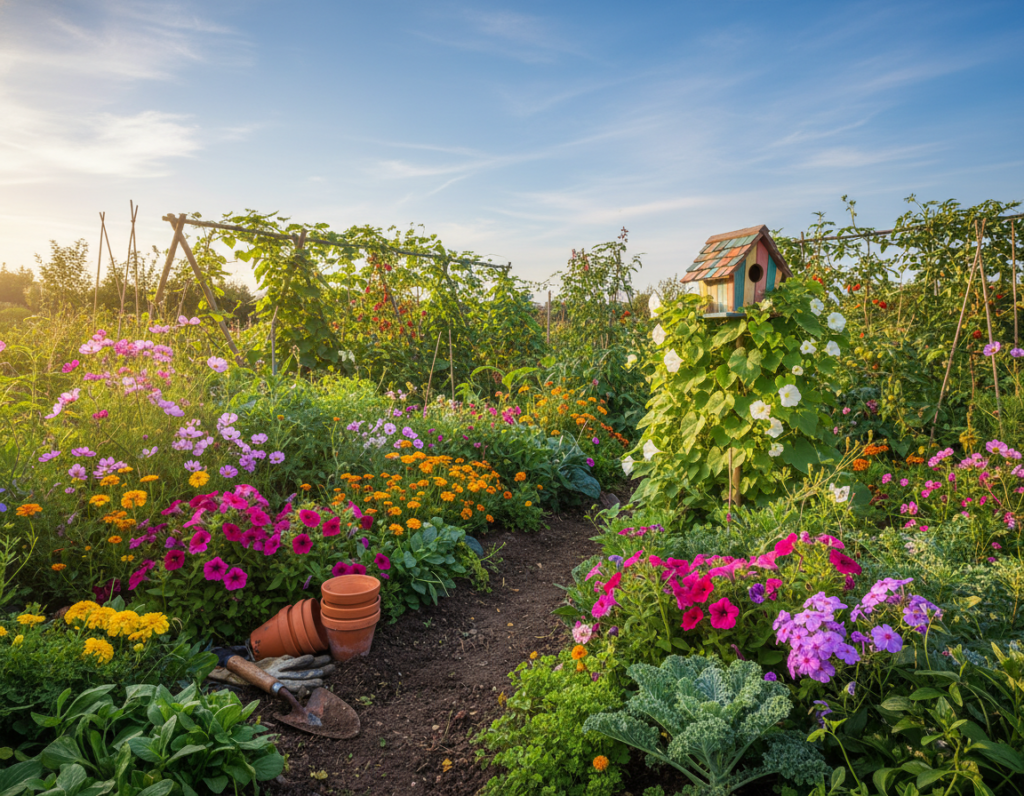
Soil Preparation Techniques
Soil prep is vital in chaos gardening. It’s about minimal soil disturbance to keep the ecosystem intact. First, test your soil type and pH level, then add needed amendments.
- Add organic matter like compost or leaf mold to improve soil structure and fertility.
- Use mulch to retain moisture and suppress weeds.
- Avoid over-tilling, as it can disrupt the soil’s natural balance.
Selecting Plants for Diversity
Diversity is key in chaos gardening. Choose a mix of native species, perennials, and annuals. Native plants are great because they need less care.
- Choose plants with varying heights, textures, and bloom times to create a dynamic landscape.
- Incorporate plants that attract pollinators and beneficial insects.
- Don’t be afraid to let some areas of your garden grow wild, as this will encourage biodiversity.
By following these steps, you can create a vibrant, low-maintenance garden. It will thrive on its own terms.
Creating a Natural Design
Creating a natural design in a chaos garden means letting go of traditional gardening norms. It’s about embracing the beauty of imperfection. This approach reduces stress and creates a more diverse and resilient ecosystem.
Embracing Imperfection
Chaos gardening is all about embracing imperfection. Letting plants grow and spread naturally makes your garden feel organic and spontaneous. Taylor (@tayyluuh) on TikTok showed a stunning example of this with her vibrant, colorful chaos garden.
To embrace imperfection in your garden, try these tips:
- Don’t prune or tidy up too often. Let plants grow and spread naturally.
- Mix plants with different growth habits and textures for a diverse landscape.
- Be open to surprises like self-sown seedlings or spreading groundcovers.
Layering Plants for Visual Appeal
Layering plants is key for visual appeal in a chaos garden. Combining plants of varying heights, textures, and colors creates a rich landscape. Here are some strategies for effective layering:
- Start with a base layer of low-growing, spreading plants like creeping thyme or sedum.
- Add mid-height plants with interesting textures, such as ferns or grasses.
- Incorporate taller plants or shrubs for depth and structure.
- Use climbers or vines for vertical interest and to tie layers together.
By embracing imperfection and layering plants well, you can create a beautiful chaos garden. It’s low-maintenance and biodiverse. This gardening approach balances nature’s course with gentle guidance to achieve the desired outcome.
Essential Tools and Supplies
In the world of chaos gardening, less is often more. But, there are some essentials you might want to consider. These can help make your carefree oasis even better.
Basic Gardening Tools
Even though chaos gardening is about keeping things simple, having a few basic tools is helpful. You might need a trowel or small shovel for planting. Gardening gloves protect your hands, and pruning shears are good for the occasional trim.
Think of these tools as the “bare minimum” for your chaos garden. You don’t need to buy a lot. Just a few essentials can make a big difference.
- A good quality trowel or small shovel
- Gardening gloves for protection
- Pruning shears for trimming
Recommended Soil Amendments
Soil amendments are key for a thriving chaos garden. They help improve soil structure, fertility, and health.
| Soil Amendment | Benefits |
|---|---|
| Compost | Rich in nutrients, improves soil structure |
| Manure | High in nitrogen, promotes healthy microbial activity |
| Peat Moss | Improves soil water-holding capacity, reduces soil pH |
Finding the right balance with soil amendments is important. You want to give your plants a good start without overdoing it. Compost is a great all-rounder. It adds nutrients and improves soil structure. Manure is more potent, so use it sparingly.
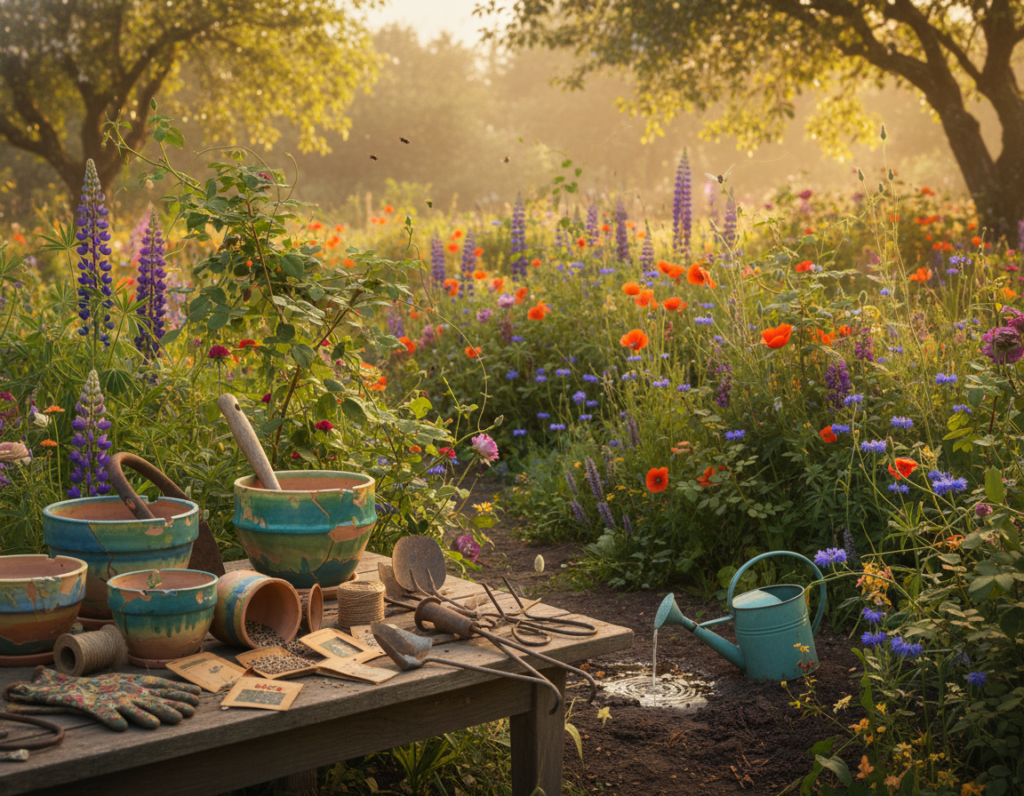
Planting Strategies for Chaos Gardens
In chaos gardening, the right planting strategies are crucial. It’s about scattering seeds and letting nature take over. This approach is simple but needs some planning to get the best results.
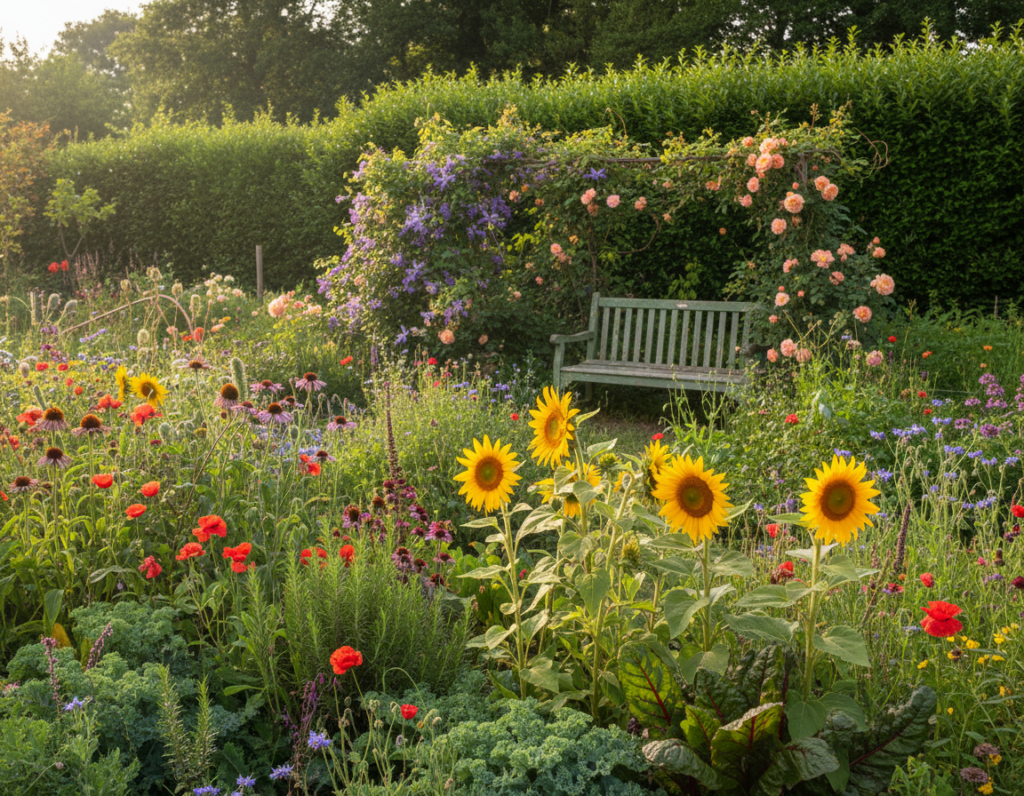
Companion Planting Benefits
Companion planting is a key strategy in chaos gardening. It pairs plants that help each other grow and stay healthy. For instance, marigolds can keep nematodes away from tomatoes, and basil makes tomatoes taste better. Companion planting boosts biodiversity, soil health, and garden resilience.
Some great pairings include:
- Marigolds and tomatoes
- Basil and tomatoes
- Beans and corn
- Radishes and cucumbers
Seasonal Planting Approaches
Seasonal planting is also vital in chaos gardening. It’s about knowing your local climate and planting at the right time. Starting seeds indoors before moving them outside in spring can be a big help. In areas with mild winters, planting in fall can give you a head start.
Here are some seasonal tips for your chaos garden:
- Spring: Begin with cool-season crops like lettuce and spinach. Then move to warm-season crops like tomatoes and peppers.
- Fall: Plant cool-season crops again. Also, add bulbs for spring flowers.
- Winter: In mild climates, keep planting cool-season crops. In colder areas, focus on planning for the next growing season.
By using these planting strategies, you’ll create a vibrant, low-maintenance garden that’s full of life and beauty.
Maintaining Your Chaos Garden
Maintaining a chaos garden means loving nature’s surprises. It’s a journey that needs patience, watching, and letting go of old gardening ways.
When caring for your chaos garden, minimal intervention is key. Don’t always prune, water, or fertilize. Let your garden grow at its own pace.
Minimal Intervention Techniques
So, how do you practice minimal intervention in your chaos garden? Here are a few techniques to get you started:
- Don’t tidy up every dead or dying plant. What’s left can feed the next plants.
- Avoid over-watering. Chaos gardens do well with neglect, so let rain help.
- Don’t use pesticides or herbicides. These can upset your garden’s balance.
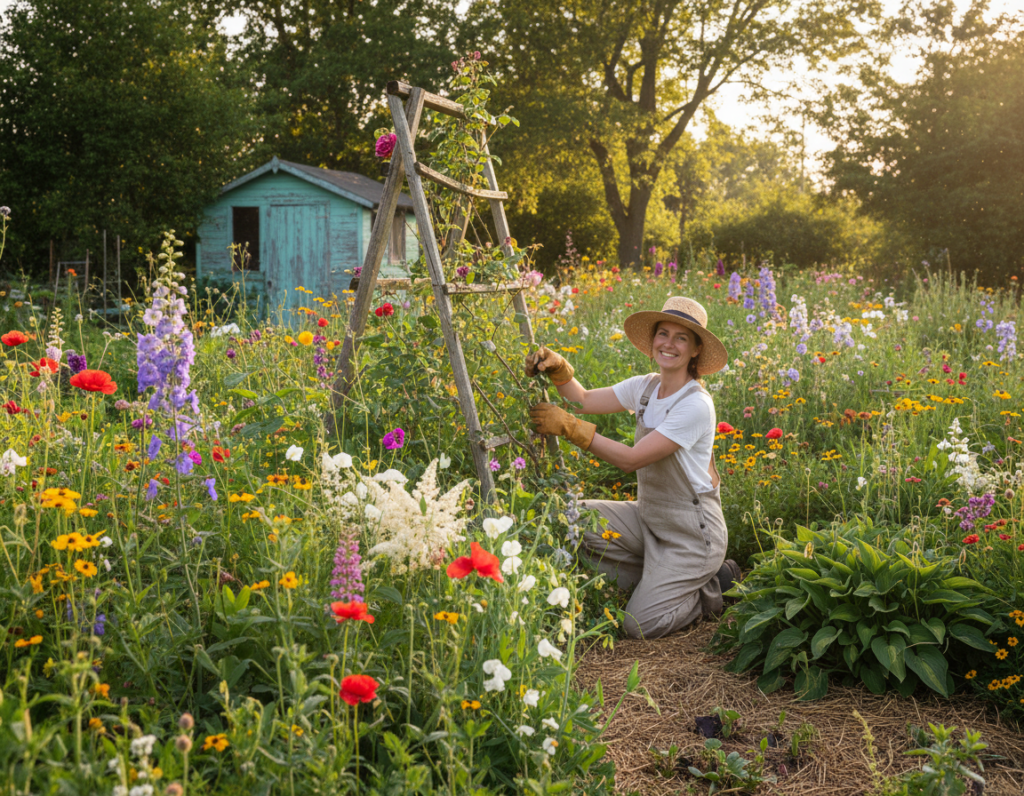
Observing and Adjusting as Needed
While minimal intervention is crucial, watching your garden and making changes is also key. This might include:
- Noticing soil changes and picking plants that fit.
- Watching for invasive plants and controlling them.
- Seeing how local wildlife acts and adjusting your garden for them.
By finding the right balance, you can make a thriving chaos garden. It will be both stunning and biodiverse.
| Technique | Description | Benefit |
|---|---|---|
| Minimal Pruning | Let plants grow and die back naturally. | Reduces work and helps plants grow naturally. |
| Rainwater Reliance | Use only rainwater for watering. | Saves water and cuts down on irrigation needs. |
| Organic Pest Control | Use natural ways to fight pests. | Keeps good bugs safe and keeps the ecosystem balanced. |
As you keep your chaos garden, remember it’s always changing. By accepting this change, you’ll make a beautiful outdoor space. You’ll also help make the world more sustainable and biodiverse.
Popular Plants for Chaos Gardening
Chaos gardening is all about trying new plants to see what works. The right plants can turn your garden into a lively, diverse space. It’s full of life and has its own unique character.
When picking plants, think about their hardiness, diversity, and how they get along. Mixing native species, perennials, and annuals adds depth and interest. This mix makes your garden visually appealing.
Native Species to Consider
Native wild plants are a smart choice for chaos gardening. They fit well with your local climate and soil, needing less care. Here are some great options:
- Black-eyed Susans: These flowers brighten your garden and attract pollinators and butterflies.
- Butterfly Weed: A milkweed that’s vital for monarch butterflies and adds color.
- Wild Indigo: A perennial legume that fixes nitrogen, helping other plants grow.
These native plants beautify your garden and support local wildlife and ecosystems.
Perennials vs. Annuals
In chaos gardening, both perennials and annuals have their benefits. Perennials come back year after year, while annuals change with the seasons.
Popular perennials include:
- Lupines: Tall, spiky flowers that attract pollinators and add drama.
- Coneflowers: Drought-tolerant and rich in nectar, attracting butterflies and hummingbirds.
Annuals, like:
- Cosmos: Dainty, feathery flowers that attract pollinators and add whimsy.
- Zinnias: Bright, easy to grow, and perfect for color.
Combining perennials and annuals creates a lively, changing landscape. It’s full of surprises.
Inspiring Examples of Chaos Gardens
Exploring chaos gardening reveals its appeal to gardeners and designers. It has turned outdoor areas into lively ecosystems. This approach is seen in both public and private spaces.
Public Gardens Leading the Way
Public chaos gardens are changing our gardening views. They use the best tips for creating diverse, low-maintenance spaces. Some gardens have a “wild” look, using native plants and letting them grow freely.
Homeowners’ Success Stories
Homeowners are seeing the perks of chaos gardening too. They’re making unique, sustainable outdoor areas. Many have cut down on water use and boosted biodiversity, attracting local wildlife.
These stories show chaos gardening’s power to change any outdoor area. Whether you’re new to gardening or experienced, these ideas will inspire you. They encourage you to explore this fresh approach.
