
I recently transformed my garden by ditching the old, unattractive fences and opting for a lush, green living fence instead. Not only did it enhance my outdoor space, but it also created a serene and private sanctuary without breaking the bank or harming the environment.
As Janice Parker, a landscape architect, suggests, privacy fencing creates a sense of seclusion. By choosing green living fence options, we’re not just enhancing our homes; we’re contributing to a more sustainable future. According to Smucker Fencing, traditional fences can be replaced with more eco-friendly alternatives, offering both ecological value and cost savings.
So, how can you achieve this $0 privacy hack? Stay tuned to discover the secrets to growing your own eco-friendly fence this season!
Why Traditional Fences Are Becoming Obsolete
As we rethink our approach to backyard privacy, it’s becoming clear that traditional fences are no longer the best option. For years, homeowners have relied on wood and vinyl fences for privacy, but these materials come with significant drawbacks.
Environmental Impact of Wood and Vinyl Fencing
Traditional fencing materials like wood and vinyl have a substantial environmental footprint. Wood fencing contributes to deforestation, while vinyl fencing is made from non-renewable resources and can end up in landfills. According to Jonathan Fargion, a landscape designer, traditional privacy fences can be particularly problematic for wildlife, disrupting natural habitats and migration patterns.
Rising Costs of Traditional Fencing Materials
The cost of traditional fencing materials is increasing, making them less appealing to homeowners. Kevin Lenhart, a landscape designer, notes that traditional fences can be costly to install and maintain. As the demand for eco-friendly alternatives grows, the financial burden of traditional fencing becomes more apparent.
Maintenance Burdens and Replacement Cycles
Traditional fences require regular maintenance, including painting, staining, and repairs. This not only adds to their overall cost but also consumes valuable time and resources. With a typical lifespan of 10 to 20 years, traditional fences need to be replaced frequently, further exacerbating their environmental impact and financial burden.
As we move towards more sustainable living, it’s essential to consider the limitations of traditional fencing and explore alternative solutions that prioritize both privacy and environmental stewardship.
Understanding Eco-Friendly Living Fences for Backyard Privacy
In the quest for sustainable living, the concept of living fences stands out as a creative and environmentally friendly way to achieve backyard privacy. Living fences, also known as green fences, are made from plants and offer a natural barrier that not only enhances privacy but also contributes to the ecological health of your garden.
Definition and History of Living Fences
Living fences have been used for centuries, with early examples found in ancient agricultural practices where they were used to demarcate land and protect crops. These natural barriers are created by planting rows of shrubs, trees, or other vegetation that, over time, form a dense screen. Unlike traditional fences, living fences grow and evolve, requiring periodic maintenance but offering a dynamic and natural aesthetic.
Ecological Benefits of Green Barriers
The ecological benefits of living fences are multifaceted. They provide habitat for wildlife, including birds, insects, and small mammals, thereby supporting local biodiversity. Additionally, green barriers help in reducing soil erosion by stabilizing the soil with their roots and improving air quality by absorbing carbon dioxide and releasing oxygen.
Wildlife Habitat and Biodiversity Support
Living fences play a crucial role in supporting local ecosystems. By incorporating a variety of plant species, these fences can become corridors for wildlife, allowing animals to move through the landscape more freely. This not only aids in the survival of various species but also enhances the overall biodiversity of the area. Furthermore, the plants used in living fences can provide food and shelter for numerous creatures, from birds nesting in dense shrubs to insects feeding on nectar-rich flowers.
By adopting living fences as a green privacy fence solution, homeowners can enjoy a more sustainable and environmentally friendly alternative to traditional fencing. This approach not only enhances privacy but also contributes to a healthier ecosystem, making it a win-win for both homeowners and the environment.
The Financial Advantage: Breaking Down the “$0” Claim
The idea of a $0 privacy fence sounds too good to be true, but I’m here to show you it’s not only possible but also practical. As we explore the financial benefits of living fences, you’ll see how they can be a game-changer for your wallet.
Cost Comparison: Traditional vs. Living Fences
Let’s face it, traditional fencing materials like wood and vinyl can be expensive. According to Smucker Fencing, using large potted plants as an immediate privacy solution can reduce the need for these costly materials. Here’s a comparison:
| Fencing Type | Initial Cost | Maintenance Cost | Lifespan |
|---|---|---|---|
| Traditional Wood Fence | $3,000 – $5,000 | $500 – $1,000/year | 10 – 15 years |
| Living Fence | $0 – $500 (initial plants) | $100 – $300/year | 20+ years |
As you can see, living fences offer significant savings both initially and in the long run.
Free Plant Sourcing Strategies
One of the best things about living fences is that you can source plants for free or at a low cost. Here are a couple of methods:
Propagation from Cuttings
You can propagate many plants from cuttings, essentially getting new plants for free. For example, plants like willow or bamboo can be easily grown from cut branches.
Seed Collection and Germination
Collecting seeds from mature plants and germinating them is another cost-effective way to grow your living fence. Many flowering plants can be used for privacy screens, and their seeds can be collected and replanted.
Community Resource Sharing and Plant Swaps
Joining local gardening groups or online forums can provide opportunities to swap plants with other gardeners. This not only saves money but also diversifies your plant selection.
By adopting these strategies, you can create a beautiful, eco-friendly living fence without breaking the bank. It’s a win-win for your privacy and your budget.
Planning Your Living Fence Project
Before you begin digging, let’s talk about what goes into planning a successful living fence that provides natural privacy screening for your yard. It’s a process that involves assessing your space, understanding your climate, and being aware of local regulations.
Assessing Your Space and Privacy Needs
The first step in planning your living fence is to assess your yard’s specific needs. Walk around your property and identify areas where you need privacy the most. Consider factors like the direction of your neighbors’ windows, the proximity to the street, and any other sources of noise or unwanted views. I like to use a simple diagram to map out these areas and think about how a living fence can address them.
Climate Considerations and Plant Hardiness Zones
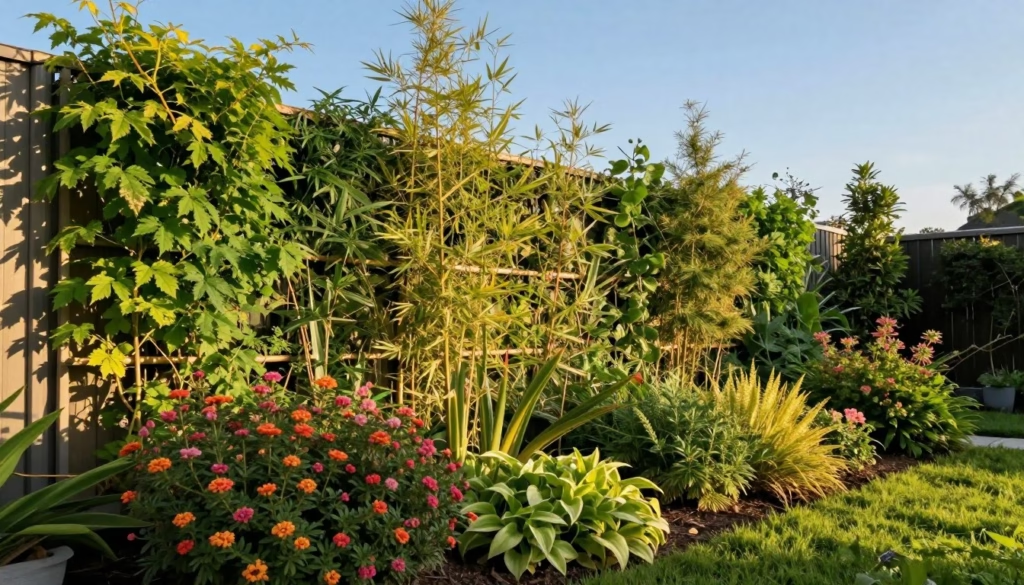
Understanding your local climate and plant hardiness zone is crucial for selecting the right plants for your living fence. According to Jordan Clough, associate principal at Richardson & Associates Landscape Architecture, considering the style and detailing of exterior carpentry when designing a privacy fence is essential. This includes thinking about how your chosen plants will thrive in your local conditions. Make sure to choose plants that are not only suitable for your zone but also resilient to your area’s specific weather patterns.
Legal Considerations and Neighborhood Regulations
Before planting, it’s essential to check local regulations regarding living fences. Some neighborhoods have specific rules about fence height, plant types, and even maintenance responsibilities. I recommend checking with your homeowner’s association (if you have one) or local government to ensure your eco-conscious backyard fencing complies with all regulations.
Creating a Timeline for Privacy Development
Lastly, it’s crucial to set realistic expectations for your living fence’s growth. Unlike traditional fencing, living fences take time to mature. Create a timeline that accounts for the growth rate of your chosen plants and plan for regular maintenance. This will help you achieve the desired level of privacy and ensure your environmentally friendly privacy barriers remain healthy and thriving.
Top Plant Options for Natural Privacy Screens
Creating a green privacy fence is not just about blocking the neighbors’ view; it’s about crafting a living, breathing boundary that enhances your outdoor space. When it comes to selecting the right plants, there are numerous options to consider, each with its unique benefits and characteristics.
Fast-Growing Shrubs and Bushes
For those looking to establish a privacy screen quickly, fast-growing shrubs and bushes are an excellent choice. Plants like Lilac and Forsythia not only grow rapidly but also provide beautiful blooms, enhancing the aesthetic appeal of your yard. These shrubs can be planted close together to form a dense barrier, effectively blocking unwanted views.
Evergreen Options for Year-Round Privacy
Evergreen trees and shrubs offer year-round privacy, maintaining their foliage throughout the seasons. Arborvitae and Boxwood are popular choices for living fences due to their dense growth patterns and ability to thrive in various conditions. These plants can be shaped and pruned to maintain a neat, formal appearance or left to grow more naturally.
Flowering Varieties for Added Beauty
Incorporating flowering plants into your living fence can add color and vibrancy to your outdoor space. Roses and Clematis are excellent choices, offering beautiful blooms that attract pollinators and add visual interest. These plants can be trained to climb trellises or left to cascade, creating a lush, layered effect.
Regional Recommendations
The best plants for your living fence will depend on your local climate and soil conditions. Here are some regional recommendations:
Northeast and Midwest Options
In the Northeast and Midwest, consider plants like Honeysuckle and Privet, which are hardy and can thrive in the region’s continental climate.
Southern Climate Selections
In the South, Southern Wax Myrtle and Camellia are excellent choices, offering both beauty and resilience in the warmer climate.
Western and Pacific Northwest Choices
For the West and Pacific Northwest, Lavender and Rosemary are drought-tolerant options that can add fragrance and color to your living fence. According to Homes & Gardens, herbs like mint, thyme, and rosemary can be used to create a beautiful and functional living fence, perfect for these regions.
By choosing the right plants for your region and needs, you can create a stunning and effective green privacy fence that enhances your outdoor space while supporting local biodiversity.
Step-by-Step Guide to Planting Your Living Fence
The journey to a greener, more private yard begins with the right approach to planting your living fence. As you start this eco-friendly project, remember that patience and planning are key to creating a thriving eco-friendly living fence for your backyard privacy.
Site Preparation and Soil Testing
Before you start planting, it’s essential to prepare your site. Begin by clearing the area of any debris and weeds. Then, conduct a soil test to determine its pH level and nutrient content. This step is crucial because it helps you choose the right plants for your soil type, ensuring a healthy start for your sustainable privacy fence.
Proper Spacing and Arrangement Techniques
Proper spacing is vital for the growth and density of your living fence. Research the mature size of the plants you’ve chosen and space them accordingly. A general rule of thumb is to plant them closer together than their mature width to achieve a dense screen sooner. Consider a staggered planting pattern for a more natural look and better coverage.
Planting Methods for Different Species
Different plants have different planting requirements. For instance, bare-root plants need to be soaked before planting, while container-grown plants should be gently removed from their pots, taking care not to disturb the roots. For plants like shrubs, digging a hole twice as wide and just as deep as the root ball is a good practice. Always water thoroughly after planting.
Initial Care and Establishment Period
The initial care period is critical for the establishment of your living fence. Keep the soil consistently moist but not waterlogged. Mulching around the plants can help retain moisture and suppress weeds. Be prepared to provide support to plants that need it, like staking tall shrubs or trees.
Water Conservation Strategies
To make your living fence truly green living fence options, incorporate water conservation strategies. Use drip irrigation or soaker hoses to deliver water directly to the roots, reducing evaporation and runoff. Collecting rainwater is another effective way to water your plants while saving on your water bill.
By following these steps and tips, you’ll be well on your way to creating a beautiful, eco-friendly living fence that enhances your privacy and contributes to a greener environment.
Advanced Techniques for Dense Privacy Barriers
I’ve discovered that the key to a secluded yard lies in advanced techniques for dense privacy barriers. Creating an eco-conscious backyard fencing system that’s both effective and aesthetically pleasing requires some planning. By incorporating multiple layers and using the right plants, you can achieve natural privacy screening for yards that’s both beautiful and functional.
Layering Different Plant Heights and Types
One of the most effective ways to create a dense privacy barrier is by layering different plant heights and types. This involves planting a mix of tall trees, shrubs, and groundcovers to create a multi-dimensional screen. By doing so, you can create an environmentally friendly privacy barrier that’s both dense and visually appealing.
Espalier and Pleaching Methods
Espalier and pleaching are two techniques that can be used to create a dense, formal screen. Espalier involves training plants to grow against a support, while pleaching involves weaving branches together to form a hedge. These methods can be used to create a stunning natural privacy screening for yards.
Incorporating Trellises and Support Structures
Trellises and support structures can be used to add an extra layer of privacy to your yard. By training climbing plants to grow up these structures, you can create a dense screen that’s both functional and beautiful.
Creating Living Walls with Climbing Plants
Climbing plants can be used to create a living wall that’s both stunning and effective at blocking out unwanted views. By incorporating a trellis or other support structure, you can create an environmentally friendly privacy barrier that’s truly unique.
Seasonal Maintenance for Thriving Living Fences
From spring growth spurts to winter dormancy, each season brings its own set of challenges and opportunities for your living fence. As a homeowner looking to create a sustainable and eco-friendly privacy solution, understanding these seasonal needs is crucial for maintaining a thriving green barrier.
Spring and Summer Care Routines
During the spring and summer months, your living fence is in its growth phase. Regular watering, organic fertilization, and pruning are essential to promote healthy growth and density. For backyard fence ideas for sustainability, consider incorporating native plants that require less maintenance and support local biodiversity.
Summer is also the perfect time to inspect your fence for any signs of pests or diseases. Early detection can prevent the spread and protect your investment in green privacy fence solutions.
Fall and Winter Protection Strategies
As fall approaches, it’s time to prepare your living fence for the colder months. This includes reducing watering, as most plants require less moisture during winter. Applying a layer of organic mulch can help protect the roots from freezing temperatures, ensuring your organic yard privacy dividers remain healthy.
Winter care involves checking for snow damage and ensuring that the structure of your living fence isn’t compromised by heavy snow or ice. Gentle pruning during this time can also help maintain shape and promote new growth in the spring.
Natural Pest Management Solutions
Throughout the year, pests can be a challenge. Instead of reaching for chemical pesticides, consider natural pest management solutions. Encouraging beneficial insects, using neem oil, or introducing natural predators can help maintain a balanced ecosystem within your living fence.
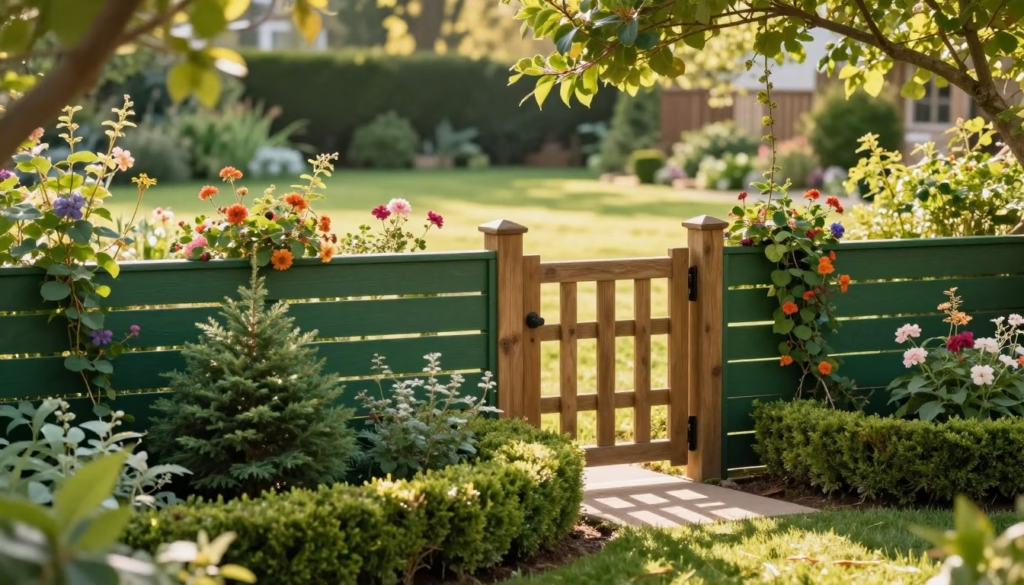
By following these seasonal maintenance tips, you can ensure your living fence remains a vibrant and effective green privacy fence solution throughout the year. Regular care not only enhances the aesthetic appeal of your property but also contributes to a more sustainable and eco-friendly environment.
Troubleshooting Common Living Fence Challenges
Living fences can be a game-changer for backyard privacy, but they’re not without their issues – let’s dive into some common problems and solutions. As I’ve discovered, maintaining a thriving living fence requires more than just planting; it demands a proactive approach to troubleshooting.
Addressing Growth Gaps and Thin Areas
One of the most common issues with living fences is uneven growth, leading to gaps or thin areas. To address this, I recommend regular pruning to encourage denser foliage. Additionally, consider replanting in sparse areas or using a layering technique to fill gaps.
Managing Invasive Tendencies
Some plants used in living fences can become invasive if not managed properly. As Jonathan Fargion suggests, regular pruning and maintenance can help prevent invasive tendencies. It’s also crucial to research the plants you’re using and understand their growth habits.
Dealing with Plant Diseases and Pests
Plant diseases and pests can quickly turn a lush living fence into a liability. To combat this, I use natural pest management solutions like neem oil and insecticidal soap. Regular inspections are also key to catching issues early.
Reviving Struggling Plants
If you notice plants struggling, assess the soil condition and adjust watering accordingly. Sometimes, a simple change in care routine can revive ailing plants. For more severe cases, consider replanting with more robust species.
| Challenge | Solution |
|---|---|
| Growth Gaps | Pruning, replanting, layering |
| Invasive Tendencies | Regular pruning, research plant growth habits |
| Plant Diseases and Pests | Natural pest management, regular inspections |
| Struggling Plants | Adjust watering, assess soil, replant if necessary |
By being proactive and addressing these common challenges, you can maintain a healthy, thriving living fence that provides eco-friendly privacy for years to come.
Conclusion: Embracing Sustainable Privacy Solutions
As we rethink our outdoor spaces, creating a sense of sanctuary and seclusion is more important than ever. Janice Parker emphasizes the importance of seclusion in our backyards, and living fences offer a unique solution. By embracing eco-conscious backyard fencing, we can enjoy environmentally friendly privacy barriers that not only shield us from the outside world but also bring us closer to nature.
Green privacy fence solutions provide a sustainable alternative to traditional fencing materials, reducing our environmental footprint while enhancing our outdoor living experience. As we’ve explored, the benefits of living fences extend beyond privacy – they support local biodiversity, improve air quality, and create a serene atmosphere.
By choosing to grow your own eco-friendly fence, you’re not just creating a private oasis; you’re contributing to a more sustainable future. So, get started on your living fence project and discover the joy of a greener, more private you.
FAQ
What is a living fence, and how does it differ from traditional fencing?
A living fence is a natural, eco-friendly barrier created using plants, shrubs, or trees, providing privacy and aesthetic appeal. Unlike traditional fencing materials like wood or vinyl, living fences are sustainable, support local biodiversity, and can be more cost-effective in the long run.
How do I choose the right plants for my living fence?
To select the best plants for your living fence, consider your climate, soil type, and desired level of privacy. Fast-growing shrubs, evergreen varieties, and flowering plants are popular options. Regional recommendations can help you pick plants that thrive in your specific area, ensuring a lush and resilient living fence.
Can I really create a living fence for $0?
Yes, it’s possible to create a living fence at little to no cost by sourcing plants for free through propagation techniques, community resource sharing, and plant swaps. With some creativity and patience, you can develop a beautiful and effective living fence without breaking the bank.
How do I maintain my living fence throughout the year?
Seasonal maintenance is crucial for a thriving living fence. This includes spring and summer care routines like pruning and watering, fall and winter protection strategies such as mulching, and natural pest management solutions to keep your plants healthy and pest-free.
What are some common challenges with living fences, and how can I address them?
Common issues with living fences include growth gaps, invasive tendencies, plant diseases, and pests. To overcome these challenges, use techniques like layering different plant heights, espalier and pleaching methods, and incorporate trellises and support structures. Regular monitoring and maintenance can also help prevent and address problems.
Are living fences suitable for all climates and regions?
Living fences can be adapted to various climates and regions by choosing plants that are well-suited to your local conditions. Consider factors like temperature, rainfall, and soil type when selecting plants, and consult regional recommendations for the best results.
How long does it take for a living fence to become effective?
The time it takes for a living fence to become effective depends on factors like plant species, growth rates, and maintenance. Creating a timeline for privacy development can help you plan and achieve the desired level of seclusion. With proper care, a living fence can become a dense and effective privacy barrier within a few seasons.
Can I use a living fence in conjunction with traditional fencing materials?
Yes, you can combine living fences with traditional fencing materials to create a hybrid solution. This approach can offer the benefits of both worlds, including immediate privacy and a natural, eco-friendly aesthetic.
How do I ensure my living fence is eco-friendly and sustainable?
To ensure your living fence is eco-friendly and sustainable, choose plants that are native to your region, use natural pest management solutions, and adopt water conservation strategies. By embracing sustainable practices, you can create a living fence that not only provides privacy but also supports local biodiversity.
?
Yes, it’s possible to create a living fence at little to no cost by sourcing plants for free through propagation techniques, community resource sharing, and plant swaps. With some creativity and patience, you can develop a beautiful and effective living fence without breaking the bank.
How do I maintain my living fence throughout the year?
Seasonal maintenance is crucial for a thriving living fence. This includes spring and summer care routines like pruning and watering, fall and winter protection strategies such as mulching, and natural pest management solutions to keep your plants healthy and pest-free.
What are some common challenges with living fences, and how can I address them?
Common issues with living fences include growth gaps, invasive tendencies, plant diseases, and pests. To overcome these challenges, use techniques like layering different plant heights, espalier and pleaching methods, and incorporate trellises and support structures. Regular monitoring and maintenance can also help prevent and address problems.
Are living fences suitable for all climates and regions?
Living fences can be adapted to various climates and regions by choosing plants that are well-suited to your local conditions. Consider factors like temperature, rainfall, and soil type when selecting plants, and consult regional recommendations for the best results.
How long does it take for a living fence to become effective?
The time it takes for a living fence to become effective depends on factors like plant species, growth rates, and maintenance. Creating a timeline for privacy development can help you plan and achieve the desired level of seclusion. With proper care, a living fence can become a dense and effective privacy barrier within a few seasons.
Can I use a living fence in conjunction with traditional fencing materials?
Yes, you can combine living fences with traditional fencing materials to create a hybrid solution. This approach can offer the benefits of both worlds, including immediate privacy and a natural, eco-friendly aesthetic.
How do I ensure my living fence is eco-friendly and sustainable?
To ensure your living fence is eco-friendly and sustainable, choose plants that are native to your region, use natural pest management solutions, and adopt water conservation strategies. By embracing sustainable practices, you can create a living fence that not only provides privacy but also supports local biodiversity.


